
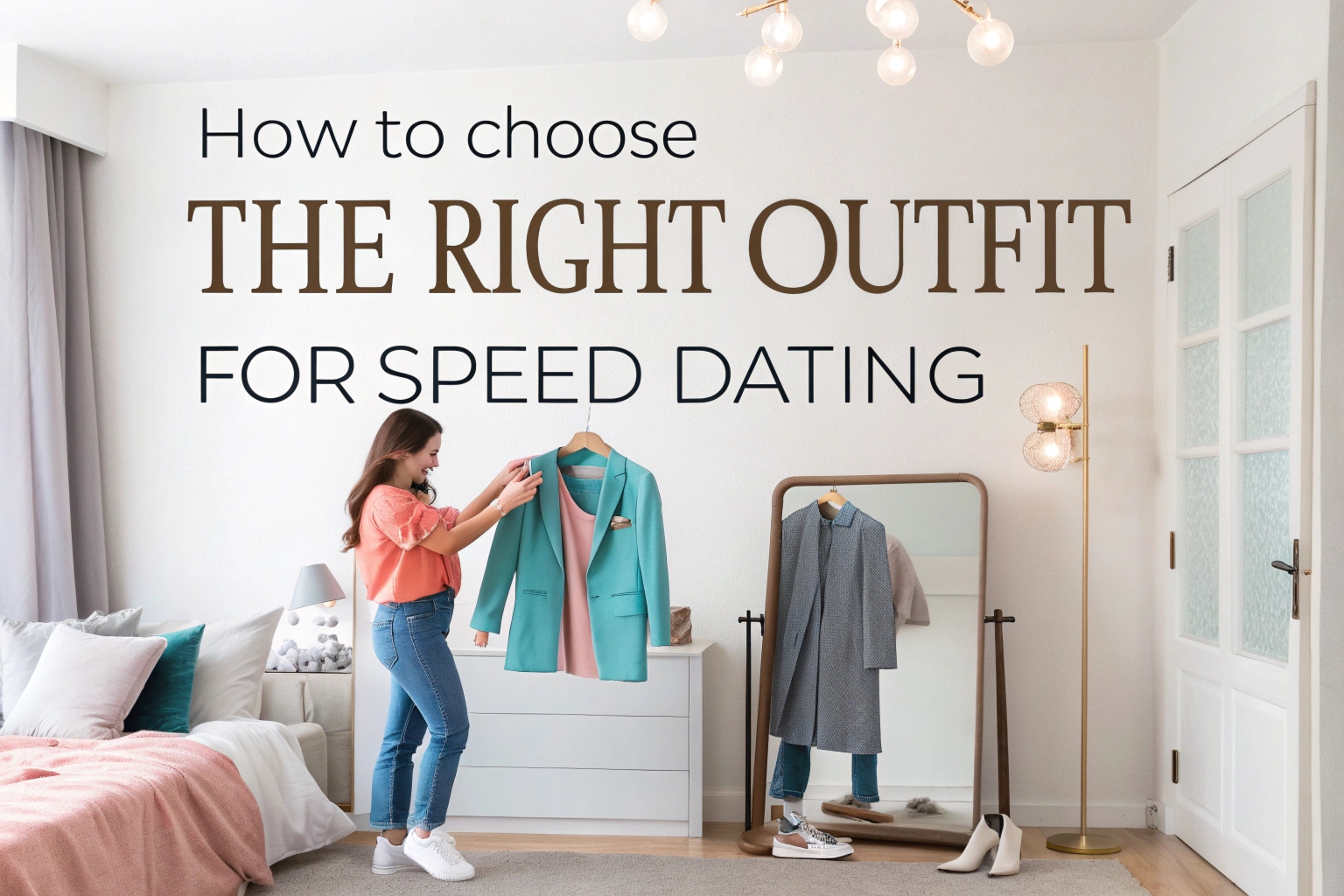
Are you wondering what to wear so that the first minute of conversation feels like the start of something possible?
How To Choose The Right Outfit For Speed Dating
There is a small, urgent theater to speed dating: chairs placed across from each other, a bell, minutes allotted to introductions. You will be asked to show up as yourself, but also as the version of yourself you want someone to notice. Clothes are the first sentence you write; they don’t finish the story, but they do set the tone. In the way a bowl sets the shape of soup, your outfit shapes how others receive you and how you move through those rapid, charged minutes.
Why your outfit matters in speed dating
Your outfit is a quiet speaker in a noisy room. It says something about how you treat yourself, what you prioritize, and how you want to be remembered. You will be judged — often not cruelly, but quickly — on neatness, appropriateness, and cues of personality. Choosing intentionally helps you feel more relaxed, so the rest of you can speak.
The emotional role of clothing
Clothes carry memories, comfort, and small rituals. A well-chosen shirt can steady your hands; the right shoes can change your posture. You should think of clothing as armor and invitation at once: something to protect you from awkwardness, and something that opens a door.
Understand the speed dating setting
There are many kinds of speed-dating events, and each one quietly asks for a different uniform. Know the room before you decide what to wear.
Types of venues and their cues
A wine bar suggests dim light and a kind of polished casual. A community center gym hints at a more relaxed, simple approach. A boutique-hosted event might lean stylish and somewhat formal. Your choice should honor those cues so you aren’t conspicuously overdressed or underprepared.
Time of day and season
An evening event calls for deeper colors, layers, and slightly dressier shoes. A midday event allows lighter fabrics, brighter colors, and more relaxed footwear. Seasonal weather affects not only what you put on but how you feel in it—chilly hands in thin fabric will distract you from conversation, while heavy clothes can make you look heavier or withdrawn.
Clarify your intention
Before you pick a blouse or jacket, ask yourself quietly: who are you trying to meet, and how do you want to feel?
What do you want to communicate?
If you want to be seen as approachable and warm, softer fabrics and open necklines can work. If you want to signal ambition or seriousness, structured pieces and muted colors help. Your clothes should not be costume theater; they should be a truthful enhancement of who you are.
Match your outfit to your goal
Align small choices with big intentions. If you intend to meet someone casual and outdoorsy, a neat but relaxed look reads better than a suit. If you want someone who treasures tradition and formality, a tailored jacket or a simple dress can nod to that preference.
Prioritize comfort and fit
Comfort matters. It will let you sit with ease, laugh, lean forward, and make eye contact. Fit matters even more than trendiness.
How fit affects presence
Clothing that fits you well makes you seem put-together without effort. Too tight or too loose garments create a kind of noise; they pull attention away from your face and your words. Invest fifteen minutes with a mirror to adjust hems, roll sleeves, and pin garments if necessary.
Balancing comfort with style
You should be able to breathe, move, and sit without constant thought about your outfit. If you can’t imagine remaining fully present in what you wear, it’s the wrong outfit. Choose a breathable top, flexible shoes if you’ll walk, and fabrics with a little give.
Choose colors that flatter and communicate
Colors have emotional weight. They also play with skin tone and lighting. Use color intentionally.
Neutral versus statement color
Neutrals (navy, brown, cream, gray) create coherence and are safe. A touch of statement color (an accessory, a sweater, a shirt) gives the eye a place to rest and a little personality. If you love red, a scarf or a pocket square can channel that warmth without saturating the outfit.
How lighting affects color
Bars and restaurants use warm light that softens colors; fluorescent lighting can make harsh contrasts. Consider how your chosen colors will appear in the venue’s lighting. If unsure, bring a jacket or scarf in a different tone that you can add or remove.
Fabrics and textures: what to pick
Fabric choice impacts both appearance and comfort. Texture sends subtle messages about tactility and approachability.
Breathable and comfortable fabrics
Cotton, soft linen blends, fine merino, and suiting fabrics with stretch are good choices. Avoid fabrics that crease immediately (unless you like that look) or that reveal sweat easily, because discomfort will become visible.
Texture as personality
A knit sweater suggests warmth; a crisp cotton shirt suggests attention; a leather jacket suggests edge. Mix textures to create interest without clutter. One textured element with smooth companions often reads best.
Shoes: the small things that matter
Shoes support you literally and socially. They finish the outfit and influence your posture.
Choose shoes that match the venue
If the event is held in a bar with dance space, closed but comfortable shoes are wise. For cafes, neat sneakers or loafers can work. Heels are fine if you can walk and stand comfortably in them for the night.
Care and polish
Scuffed shoes tell a different story than clean, cared-for footwear. A quick polish, a brush, or a new laces string can lift an outfit as if it were a small kindness to yourself.
Grooming and finishing touches
Grooming is part of your outfit. It signals how you care for yourself and shows respect for others in return.
Hair, nails, and skin
A tidy haircut, neat nails, and skin that appears cared-for (not necessarily flawless) suggest attention to detail. Use simple products to tame flyaways and hydrate your lips. If you wear makeup, aim for a version of yourself—amplified, not masked.
Fragrance and sensibility
Light fragrance can be inviting; heavy scent can overwhelm. If you have allergies or plans to be close to strangers, err on the side of subtlety or skip fragrance altogether. A small dab of a favorite scent can be a private confidence ritual.
Accessories: use them as punctuation
Accessories are punctuation marks that can emphasize the tone of your outfit. They should be intentional and few.
Jewelry and watches
A single piece of jewelry—an elegant watch, a modest necklace, a ring—reads as thoughtful. Too many items can distract. Choose pieces that feel like you, not like a costume.
Bags and small extras
You will likely have a small bag or wallet. Choose something compact and tidy. A wrinkled tote or an overflowing bag can make you appear disorganized, even if your conversation is sharp.
Dressing for different presentations of yourself
You will bring many parts of yourself to the table. Clothes can help you balance them.
Casual and approachable
Choose clean, well-fitting jeans or chinos with a soft shirt and an open jacket. Aim for warm fabrics and relaxed lines that say you’re present and easy to be with.
Polished and professional
Pick a structured jacket, a neat shirt or blouse, and one simple statement accessory. Keep colors muted and cuts flattering. This look suggests ambition without formality that shuts off warmth.
Creative and expressive
Use a single notable piece—an interesting pattern, a unique jacket, or a colorful scarf—balanced with simple counterparts. You want the outfit to hint at your creativity without overwhelming the conversation.
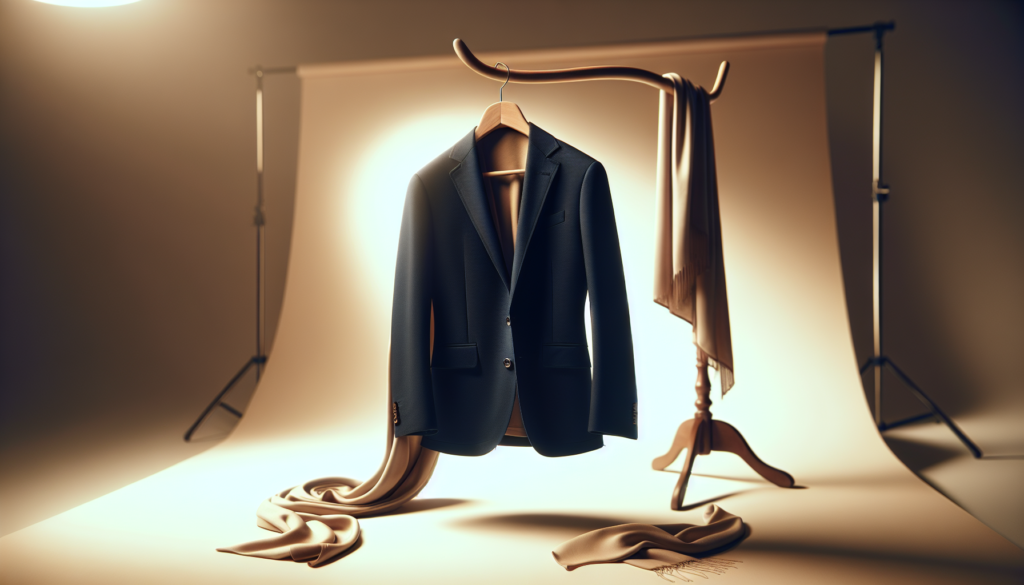
Outfit suggestions by scenario
A visual guide helps you match venue and intention. Below is a quick table with suggestions for common speed-dating contexts.
| Venue / Atmosphere | Outfit base | Footwear | Accessories & Notes |
|---|---|---|---|
| Wine bar, evening | Dark jeans or tailored trousers; a soft button-down or silk blouse; blazer optional | Leather loafers, ankle boots, dressy flats | Subtle jewelry, light fragrance, neat grooming |
| Cafe, daytime | Clean jeans or chinos; knit sweater or casual shirt | Clean sneakers, loafers, comfortable flats | Lightweight jacket for layers; simple watch |
| Community event hall | Smart-casual: chinos or dressy jeans; sweater with collared shirt underneath | Polished sneakers or casual dress shoes | Minimal accessories, breathable fabrics |
| Boutique or curated event | Tailored dress or smart blazer and trousers | Heeled boot, dress shoes, or polished flats | One bold piece (lapel pin, scarf) to show taste |
| Outdoor / park meet | Well-fitted top; comfortable, neat bottoms | Comfortable, stylish sneakers or boots | Weather-appropriate outerwear, hands-free small bag |
What to avoid and why
Knowing what not to wear is as useful as knowing what to wear. These items tend to distract or miscommunicate.
Clothing pitfalls
- Extremely casual loungewear: It suggests you didn’t prepare.
- Overly provocative pieces: They can invite attention you don’t intend and shift conversation to surface topics.
- Overly loud prints or logos: They compete with your face and can be polarizing.
- Anything that needs constant fidgeting (loose straps, slippery fabrics): It interrupts present moment.
Grooming pitfalls
- Heavy perfume or aftershave: This can be overwhelming in close quarters.
- Unkempt shoes or visible stains: They convey carelessness.
- Too much makeup or trendy extremes if it’s not your usual look: It can feel performative rather than authentic.
Planning and preparation checklist
A short routine the night before and the morning of will reduce stress and help you show up as calm and present.
Night-before checklist
- Try the full outfit and sit, lean, and walk in it.
- Polish shoes; steam or iron clothing where needed.
- Pack essentials: breath mints, small stain remover, safety pins, spare pair of hosiery, compact mirror.
- Decide on a grooming plan: hair, shave/trim, moisturizing.
Morning-of checklist
- Confirm event time and venue details to avoid rushed dressing.
- Apply light fragrance if using; keep it subtle.
- Choose one bold element and keep other choices quiet.
- Remind yourself of a simple conversation starter unrelated to appearance.
How to try outfits practically
A careful fitting session is less glamorous than it sounds and more essential than you think. This is where you learn if you can be yourself in the clothes.
Try movement in front of a mirror
Sit in a chair for five minutes, stand up, stretch, and check how the fabric behaves. If you have to keep tugging or rearranging, the outfit will distract you in the room.
Take photos and review
Stand in natural light and take a few photos. Look for how your face shows up against the colors and how the silhouette reads. If a picture surprises you, it’s worth revising.
Confidence and body language
Clothes alone don’t create connection, but they shape how you carry yourself. Confident body language completes the message.
How clothes affect posture and voice
Well-fitting clothes encourage upright posture and easier breathing which supports a steadier voice. When you’re comfortable, you don’t swallow sentences or hide your hands. You lean forward more readily when conversation sparkles.
Small, practical posture cues
- Keep feet grounded—don’t cross just to protect yourself.
- Open shoulders slightly—avoid hunching that tucks your outfit into itself.
- Maintain eye contact and smile genuinely; a smile is the most accessible accessory.
Special considerations for gender expression and inclusivity
Speed dating is intimate proximity, where gender expression can be varied and personal. Choose clothes that align with how you present and feel comfortable with.
Expressing masculinity, femininity, or androgyny
Wear what affirms you: a soft blouse with structured trousers, a blazer with a patterned tee, a dress with sneakers. The goal is coherence between appearance and inner sense, so the conversation can be about who you are, not about explaining your outfit.
Non-binary and queer-presenting options
Neutral or mixed cues—plain shirts with layered accessories, tailored pieces in nontraditional colors—work well if you want to present a nuanced blend. Prioritize comfort and clarity in signaling what you hope to communicate.
Budget-friendly choices and sustainable tips
You don’t need to spend much to look intentional. Small investments and thoughtful combinations can create a polished presence.
Smart shopping and wardrobe hacks
- Choose one versatile jacket that works over shirts and dresses.
- Buy neutral basics that mix and match.
- Thrift or consignment shops often carry unique, affordable pieces in good condition.
Sustainable choices
Favor quality over quantity. Repair shoes, tailor slightly imperfect finds, and select fabrics that last. A well-cared-for piece looks better than a cheap, trendy item.
Dealing with last-minute doubts
There will be moments of second-guessing. Have a quick ritual to recenter.
A five-minute grounding ritual
Stand before a mirror, breathe slowly three times, fix one feature you like about your outfit (a neat collar, a polished shoe), and remind yourself of one honest quality you bring into conversation. This helps you move from self-judgment to presence.
Backup plan
Bring a simple layering piece (a cardigan, scarf, or jacket) that you can add if you feel underdressed or remove if you feel overdressed. This small hedge often resolves the worry.
Conversation-friendly outfit choices
Clothes can create threads for conversation without forcing them. Choose one small, non-controversial detail that invites a question.
Conversation starters built into style
A locally made pin, an unusual but tasteful pattern, or a bookish lapel can invite curiosity. Keep it light; the goal is to open a door to personality, not to dominate the night.
Final prep: the night before and the morning of
Rehearse logistics as much as your outfit. Being late or searching for an address adds stress that no good shirt can hide.
Evening before
Lay out the complete outfit, including accessories and emergency kit. Confirm parking or transit. Sleep well; rest is the most flattering preparation.
On the day
Eat a balanced meal, hydrate, and avoid experimental foods right before. When you arrive, take a minute to settle into the sound of the room and take a breath. Your clothes will have done their job if they leave you free to listen.
Closing thoughts
Choosing the right outfit for speed dating is both practical and intimate work. It’s a small choreography that helps your conversation land. Pick clothes that honor who you are, prepare them with care, and use them to create space for curiosity. The rest—warmth, curiosity, listening—comes from you. Your outfit is simply the quiet invitation that says you’re ready to be seen.