
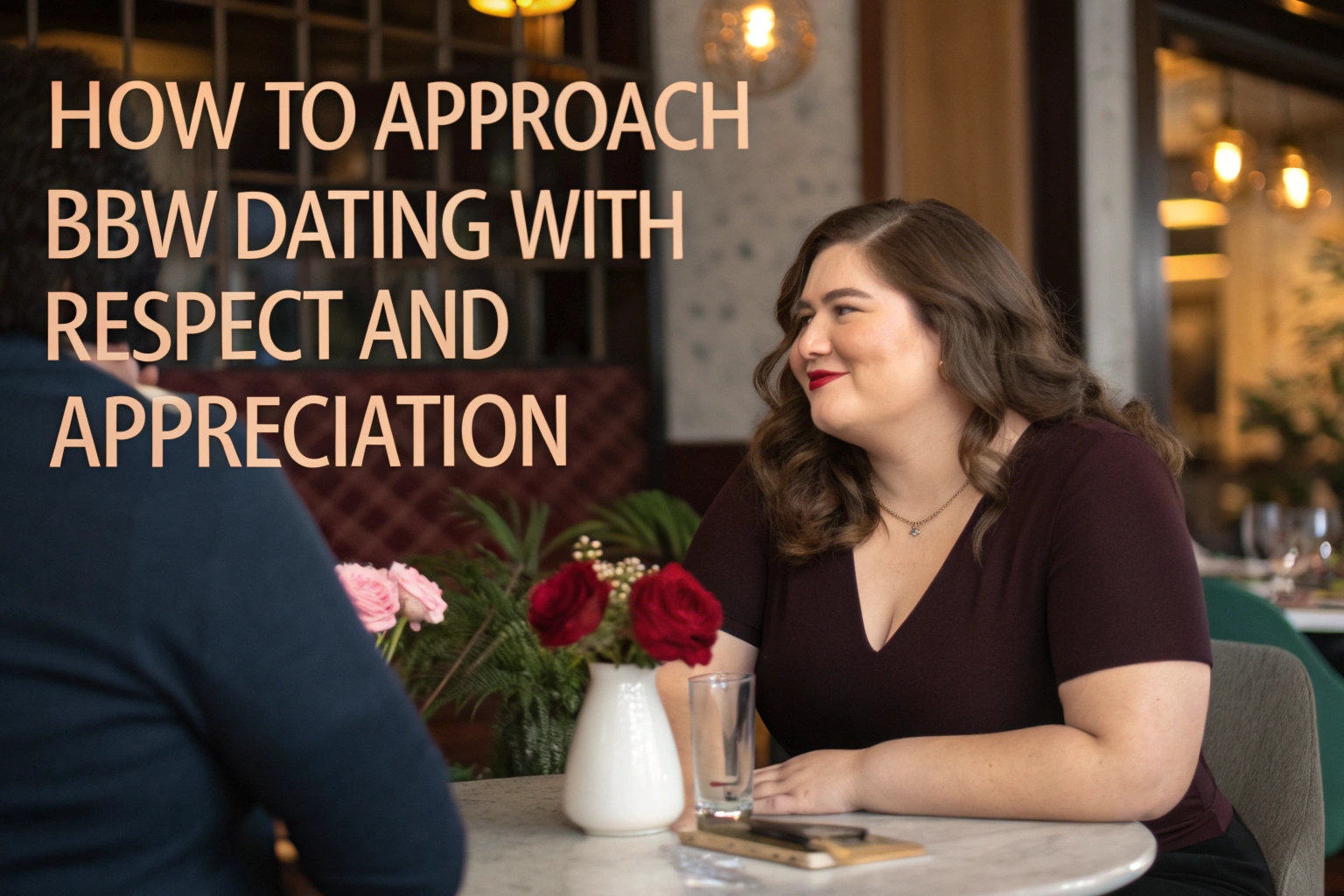
Have you ever felt uncertain about how to show genuine respect and appreciation when dating a BBW, and wanted to get it right without stumbling over words or assumptions?
How To Approach BBW Dating With Respect And Appreciation
You are about to read a careful, patient guide that treats this subject as human work — something you can learn and practice, rather than a list of commands. You will be invited to think about language, consent, curiosity, and real affection, all of which matter when you want any relationship to thrive.
Understanding BBW and why language matters
When you name someone, you shape how you think about them. Words like BBW (Big Beautiful Woman) have cultural meaning, and using them thoughtfully matters because they can carry empowerment for some and misunderstanding for others.
What BBW means and who uses it
BBW is a shorthand that many people use to describe larger-bodied women in a positive, attractive way, and some people claim it as a term of pride. You should know that not everyone uses or appreciates the label, so it’s a useful term only when it’s chosen by the person you’re describing.
Respectful language and terms to use
You will want to follow the lead of the person you’re talking to: if they prefer BBW, plus-size, curvy, or simply “me,” use that. Ask kindly if you’re unsure, and avoid medicalized or shaming language that reduces someone to measurements or health assumptions.
Start with your own intentions
Before you reach out to someone, take a moment to examine why you’re interested and what you expect. Intentions shape behavior, so clarity on your side helps you act with honesty and respect.
Reflect on your motivations
Ask yourself whether you’re attracted to the person for who they are — their humor, their interests, their mind — or whether you’re primarily attracted to their body type as a fetish. You don’t have to be perfect, but you do need to be honest with yourself, because dishonesty will show.
Check for fetishization
Fetishization reduces a person to a set of attributes and ignores their interior life; it is something you must actively avoid. If you catch yourself romanticizing a label rather than the person, pause, and ask how you can reframe your attraction to include the whole human being.
Communicating with care
Your words are footprints; they mark where you have been and how gently you walked. You will be better received when you communicate in ways that convey curiosity, respect, and true interest.
First messages and online approaches
When you send the first message, keep it personal and specific: mention something in their profile, a book they like, or a photo that seems to show an important part of their life. You should avoid generic lines and immediate comments focused solely on appearance, because those can read as shallow or objectifying.
Compliments that honor the person, not just the body
Compliments are most meaningful when they connect to character or action — for example, praising wit, warmth, or a thoughtful choice they made. If you compliment appearance, do it gently and sincerely, and never make it the only thing you remark upon.
Asking about boundaries and consent early
You can be charming and responsible at once by asking direct, respectful questions about comfort and boundaries early on. Phrases like “Is it okay if I ask…” or “How do you feel about…” give the other person the power to set the tone.
Building attraction beyond appearance
Sustained attraction grows from shared life and mutual care, not only from looks. You will find that curiosity about someone’s story, hopes, and small habits often deepens attraction in ways that surface compliments cannot.
Shared interests and emotional connection
Spend your early conversations asking about what matters to them: the small rituals, favorite films, and recurring worries. You should listen more than you speak, and let empathy shape your questions so that you are building a bridge rather than constructing an argument for how they should be.
Humor, curiosity, and kindness as attraction engines
You will be surprised how often a gentle joke, a curious question, or an unexpectedly kind act becomes the thing that stays in memory long after first impressions fade. Use humor to open doors, not to mask discomfort, and allow kindness to be both grand and small — holding a door, remembering a coffee order, sending a text that acknowledges a long day.
Dating etiquette and practical tips
Good manners are not empty rituals; they are ways of honoring another person’s dignity. You should pay attention to the practicalities of creating comfortable, inclusive environments that make your date feel seen and safe.
Planning dates that feel comfortable and inclusive
Choose locations that offer seating and space, where you can both move freely and not be forced into awkward physical arrangements. Consider your date’s mobility, energy levels, and preferences for noise and crowds before suggesting a plan.
Being mindful of physical spaces and seating
Public seating is rarely designed with everyone in mind; at a café or movie theater, look for options that give both of you room and privacy. You will be considerate if you think ahead about where you’ll sit, how chairs can creak, and what will make your date feel relaxed rather than self-conscious.
When to offer and when to refrain from physical touch
Physical gestures can be comforting when welcomed, but you should always ask before you assume contact is okay. Offer an arm, a hug, or a kiss in a way that leaves space for a yes or a no, and accept no without argument or display of disappointment.

Do’s and Don’ts for respectful BBW dating
This quick table helps you keep actions clear and actionable. Use it as a checklist to the extent that it helps you be thoughtful rather than performative.
| Do | Don’t |
|---|---|
| Ask for preferred terms and use them consistently. | Assume labels or use clinical terms without permission. |
| Compliment character, choices, and specific style. | Reduce someone to body parts or fetishize size. |
| Be mindful of seating, mobility, and comfort. | Force physical contact or make public comments that embarrass. |
| Listen more than you speak; ask open-ended questions. | Dominate conversations or only ask about appearance. |
| Offer practical support when requested and invited. | Treat your partner as a project to fix or change. |
| Respect boundaries, and check in about consent regularly. | Pressure someone to do more than they want, physically or emotionally. |
Handling compliments and language
You can give compliments that feel lasting and warm, rather than awkward or objectifying. The key is specificity and sincerity.
Compliments that are specific and sincere
Notice small things: the way your date laughs, a thoughtful choice in clothing, or a piece of jewelry that has a story. You will show appreciation that feels grounded when your words reflect attention rather than a quick reaction.
Avoiding backhanded compliments and qualifiers
Words like “You’re pretty for your size” or “You’re handsome even though…” are not compliments; they are excuses dressed as praise. You should remove qualifiers and let the compliment stand on its own if it is true and kind.
Photos and online profiles
Your online behavior matters because it shapes first impressions and can signal whether you are respectful. You should curate your profile and imagery with honesty and sensitivity.
Your profile: being honest and respectful
Write about what you enjoy and who you are, without reducing people to fantasies or expectations. You will attract people who resonate with your honest voice and repel those looking for a narrow checklist.
Profile photos: guidance and consent
If you share or request photos, do so with clear consent and never pressure someone to send images they don’t want to. Respect the privacy and autonomy of people you meet online, and remember that a person’s photos are theirs to control.
Addressing your own insecurities
You will bring your own anxieties into a relationship, and that is natural; the point is to manage them so they do not become burdens on the other person. Self-work helps you show up as someone your partner can trust.
Confidence vs arrogance
Confidence is calm and steady; arrogance is loud and defensive. You should cultivate a quiet assurance that allows you to celebrate your own worth without diminishing others.
Managing external opinions and body politics
People will have opinions about bodies and relationships; you do not have to carry their judgments. You can protect the relationship by setting boundaries around what you share and by being clear about whose opinions matter in decisions about your time together.
Respecting boundaries and consent
Consent is not a single moment; it is an ongoing practice that you revisit and honor. You will need to make space for changing feelings and to accept the fullness of someone’s agency.
Explicit vs implicit consent
Whenever possible, get explicit consent for intimate acts rather than relying on assumptions or body language alone. If the answer is unclear, ask; consent becomes meaningful when it is clear, enthusiastic, and freely given.
What to do if boundaries are set or changed
If someone retracts a yes or sets a new boundary, you should accept it without negotiation or visible frustration. Respond with gratitude for the clarity and ask if there is anything you can do to make them feel safer.
When cultural or racial factors intersect
People’s experiences of body image are shaped by culture, family, and history. You will be more sensitive and present if you listen for how these contexts matter to the person you’re dating.
Being aware of fetishization based on race or culture
Fetishization can be compounded when attraction is tied to racialized stereotypes. You should reflect on your own attractions and make sure they are not rooted in exoticizing or stereotyped assumptions.
Listening and learning, not assuming
Ask questions about family food traditions, clothing, and the humor that makes someone laugh; let their answers guide your understanding. You will find that small cultural gestures matter more than any single broad generalization.

Handling difficult moments and rejection
Dating has tenderness and occasional disappointment. You will handle setbacks with dignity if you prepare for them emotionally and respond with maturity.
If someone says they’re not interested
If you are turned down, accept the answer without argument or apology theater; politeness and a small space of grace are enough. You can say thank you for their honesty and allow both of you to move on without dragging the moment.
When someone brings up past trauma or triggers
If your date shares a trauma or trigger, listen with compassion and without trying to fix. You should ask what they need in that moment and respect the ways they want to be supported.
Transitioning to a relationship
A relationship is an ongoing negotiation of needs and desires, not a static prize. You will cultivate intimacy through consistent care, conversation, and a willingness to grow together.
Discussing health, expectations, and lifestyle
Be candid about important issues like sleep rhythms, household routines, and any health considerations without making assumptions or judgments. You should approach these subjects with curiosity and a focus on mutual comfort.
Long-term appreciation and growth
Sustained appreciation is more than a compliment; it’s a habit of noticing and acknowledging what the other person brings to your life. You will keep a relationship alive by celebrating small acts and making space for shared dreams.
Conversation Starters and Questions to Avoid
Use this table to get practical about what invites conversation and what shuts it down quickly. You will do well by asking questions that open rather than constrict.
| Good Starters | Questions to Avoid |
|---|---|
| “What book stayed with you lately?” | “Why don’t you try to lose weight?” |
| “What’s a small thing that makes your day better?” | “Can you wear something to hide your size?” |
| “Tell me about a memory that shaped you.” | “Aren’t you worried about your health?” |
| “What are you passionate about?” | “Do you think your size scares people?” |
| “How do you like to spend a Sunday?” | “Are you attracted to smaller people?” |
Supporting body positivity without centering your partner as a project
You will want to encourage your partner’s confidence, but not treat them as a work in progress. Appreciation that comes from a place of respect is liberating; “help” that implies correction feels oppressive.
Encouraging without pressuring
Say things that reinforce autonomy: “I love the way you carry yourself” or “I’m proud of how you handle hard things.” You will be a better partner by offering support only when asked and by reminding them of their agency.
Avoiding “helping” language that implies fixing
Refrain from remarks like “I can help you change” or “Let me take care of your diet.” You should check in before offering advice and frame help as an option rather than a solution they must accept.
Navigating public situations and microaggressions
Public spaces can be awkward, and microaggressions can sting; your role is to be present and protective without performing heroics. You will be most effective when you listen to your partner about what they want from you in these moments.
Responding to rude comments or stares
If someone makes a rude remark, follow your partner’s lead: sometimes they want you to confront, sometimes they want a change of scene, and sometimes they want solidarity in silence. You should ask privately how they want you to respond and respect that choice.
Being an ally in public for your partner
Simple acts — speaking kindly, offering your arm, or changing the subject when someone is intrusive — can demonstrate support. You will show respect most credibly when your actions in public match the tenderness you show in private.
Consent, safety, and sexual considerations
Sex and intimacy require more than attraction; they require communication and safety. You will take responsibility for the physical and emotional safety of both people by being clear and candid.
Safer sex and communication about desires
Talk openly about protection, STI testing, and contraception in a way that normalizes these concerns rather than making them awkward. You should express your needs while also asking about and honoring your partner’s boundaries.
Navigating physical health conversations respectfully
If health issues arise, approach them with curiosity and support rather than alarm and unsolicited advice. You will be helpful when you make space for facts, feelings, and shared planning without moral judgment.
Common mistakes to avoid
There are habitual errors that people make, often out of nervousness; you will do better by noticing and correcting these patterns. Being mindful prevents harm and deepens trust.
- Assuming you can comment on weight without invitation.
- Making your partner a symbol for your own desires or insecurities.
- Publicly making jokes that hinge on body size.
- Pressuring someone toward change or medical advice they didn’t ask for.
- Treating compliments as a currency to erase other forms of connection.
Practical scenarios and how to respond
You will face small moments that matter: an awkward joke, a clumsy compliment, a misread cue at a restaurant. Having a few prepared, humble responses will keep you steady.
- If you say the wrong thing, acknowledge it quickly: “You’re right, that came out badly I’m sorry.” Then listen.
- If your date seems uncomfortable in public, offer a choice: “Do you want to move somewhere quieter or go home?”
- If someone else makes an insensitive comment, validate your partner privately first, then ask if they want you to respond.
Resources and communities
You don’t have to learn everything alone; there are books, forums, and communities that can help you understand body diversity and respectful dating. Seek out voices from the communities you want to respect and learn directly from people who share their lived experience.
- Books and essays that center body positivity and intimacy.
- Online communities where BBW people discuss dating norms and what they want.
- Workshops or counseling focused on communication, consent, and empathy.
Final thoughts
You will find that dating with respect is less about perfect language and more about sustained care: the small acts of listening, adjusting, and being present. If you commit to learning and to treating the person before you as whole and complex, your efforts will show, and that is the truest path to appreciation.