
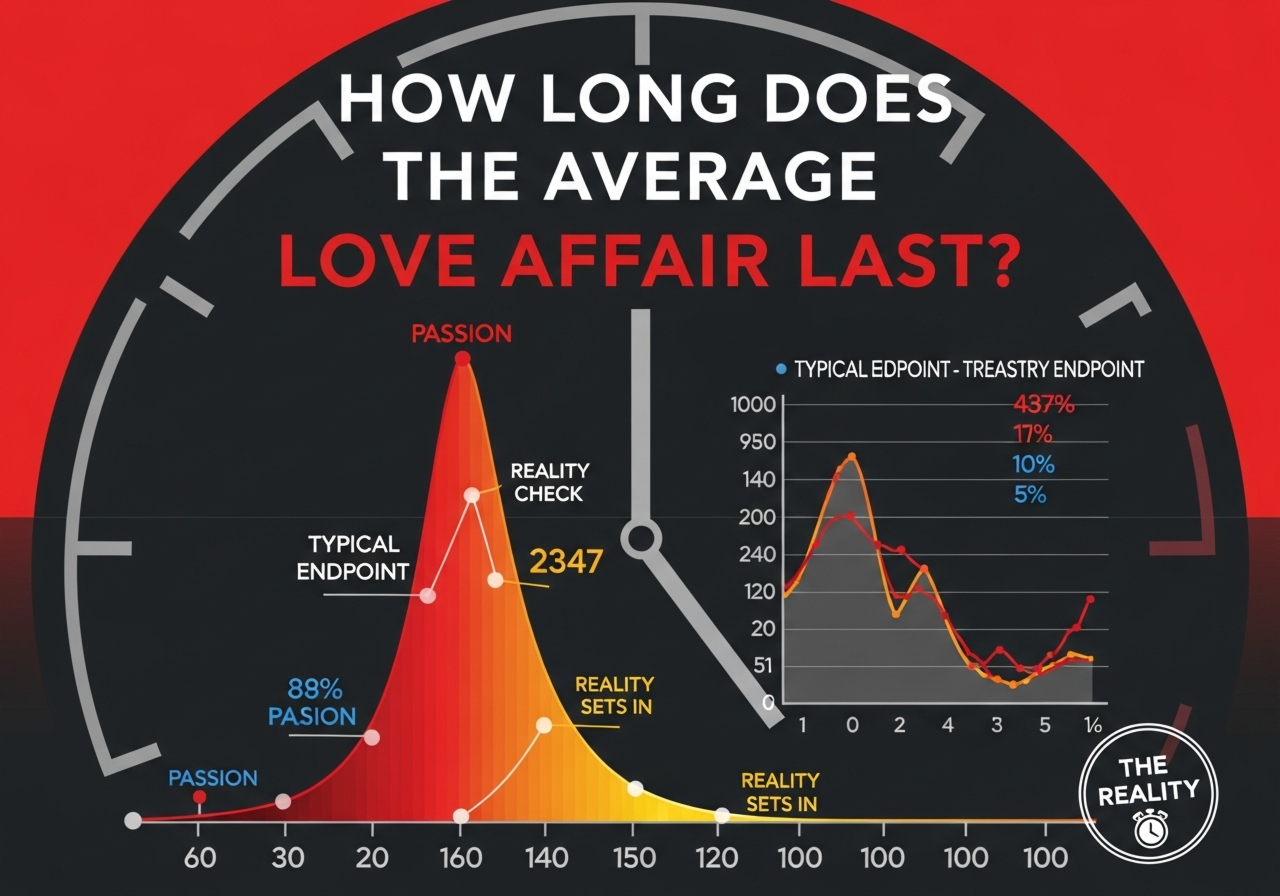
How long does the average love affair last?
How Long Does The Average Love Affair Last?
You probably want an honest, practical answer rather than a romanticized one. This article breaks down what people commonly mean by “love affair,” what research and experience suggest about typical durations, what influences how long affairs last, and what you can do if you’re involved in one.
What Is a Love Affair?
A love affair usually refers to a romantic or sexual relationship that exists outside an established primary relationship or marriage, or to an intense short-term romantic relationship between people who are not seeking long-term commitment. You should know that affairs vary widely in emotional intensity, secrecy, and goals — some are occasional sexual encounters, and others become emotionally significant or long-term parallel relationships.
How an Affair Differs from a Committed Relationship
An affair often involves secrecy, higher risk, and uncertainty about the future. You may experience intense emotion without shared plans, financial entanglement, or public commitment. Those differences change how long affairs typically last and how they end.
Types of Love Affairs
Affairs are not all the same. Identifying the type helps you understand likely timelines and emotional consequences.
- One-night stands: single-encounter sexual encounters with little expectation of continuity.
- Short-term affairs: a few sexual encounters or several months of emotional and sexual involvement.
- Long-term affairs: ongoing relationships that can last years, sometimes existing in parallel with a primary relationship.
- Workplace affairs: initiated at work; proximity can extend the duration or intensify the emotional bond.
- Online affairs: emotional intimacy primarily by messaging or video; physical contact may be absent.
- Emotional affairs: deep emotional intimacy without regular sexual contact.
Typical Goals Behind Each Type
Goals vary — thrill, companionship, escape, validation, or the foundation for a future relationship. Your goals will heavily influence how long the affair lasts.
How Researchers and Clinicians Measure Duration
Before you interpret any numbers, understand that “duration” can mean different things.
- Start point: the first sexual contact, first emotional confession, or when the relationship becomes regular.
- End point: last contact, explicit breakup, or when one person stops feeling romantic attachment.
- Continuous vs. episodic: some affairs are continuous, others intermittent across years.
- Emotional vs. physical duration: emotional attachment often outlasts physical meetings.
Because of these ambiguities, averages are approximate and should be treated as general guidance rather than precise truths.
Average Durations Reported and Common Estimates
You’ll hear a range of estimates because context matters. Several commonly cited patterns emerge from clinical observations and behavioral research on romantic attachment.
- One-night encounters: hours to a day.
- Short-term affairs: a few weeks to several months.
- Typical affairs: generally last from several months up to two years.
- Long-term or parallel relationships: can last several years, sometimes as long as a primary relationship.
A widely discussed idea in neuroscience of romantic love suggests the most intense infatuation phase commonly lasts between about 12 and 36 months, after which passion stabilizes or transforms. That doesn’t mean affairs always end at that point — they may transform into other kinds of relationships or continue for pragmatic reasons.
Quick Table: Typical Affair Types and Duration Ranges
| Affair Type | Typical Duration Range | Key Features |
|---|---|---|
| One-night stand | Hours to 1 day | No commitment, often anonymous |
| Short-term affair | Weeks to 6 months | Intense, often secret, may end abruptly |
| Medium affair | 6 months to 2 years | Emotional investment grows, routine forms |
| Long-term affair | 2 years or more | Parallel relationship, more logistical complexity |
| Emotional affair | Variable; may be months to years | Deep emotional link, sometimes without sex |
| Online affair | Weeks to years | Can be sustained without physical meetings |
| Workplace affair | Months to years | High proximity and opportunity increase duration |
The Biological Timeline of Romantic Passion
Your brain plays a big role in how long romantic intensity lasts. Neurochemicals like dopamine, norepinephrine, and serotonin, plus hormones like oxytocin and vasopressin, drive the feelings of euphoria, craving, and bonding.
- Dopamine surges during early attraction, producing reward-seeking behavior. This can keep you driven to pursue the affair.
- Oxytocin and vasopressin support attachment and bonding, which can transform a fling into deeper involvement.
- Over time, the brain typically shifts from high-intensity reward focus toward regulation and long-term attachment.
You should expect the most intense chemistry to peak in the early months and then either stabilize into less volatile attachment or fade if emotional matches are superficial.

Psychological Phases of an Affair
Understanding phases helps you recognize why affairs often follow similar trajectories.
Honeymoon / Initial Infatuation
You’ll experience strong excitement, secrecy-fueled passion, and idealization of the other person. This phase is energetic and often feels all-consuming.
Stabilization or Maintenance
If the affair continues, it often settles into routines: planned meetings, coded communication, and negotiation of risks. You may feel comfortable but not as euphoric.
Complication / Conflict
Emotional costs, guilt, logistic stress, or increased expectations can cause tension. If one person wants more, conflict about future direction emerges.
Resolution / Ending or Transition
The affair often ends when the risks outweigh rewards, when one partner commits to their primary relationship, or when the affair transforms into a public relationship or long-term partnership.
Factors That Lengthen or Shorten an Affair
Many variables change how long your affair might last. Some push toward quick endings; others allow the affair to persist.
- Proximity: frequent contact often lengthens involvement.
- Secrecy stakes: high risk (children, career) may shorten or intensify.
- Emotional attachment: deeper emotional bonding extends duration.
- Life stage: younger people might move on faster; older people with established lives may sustain longer parallel relationships.
- Availability of alternatives: if one person has more potential partners, they may end sooner.
- Communication and negotiation: clear boundaries can make an affair last longer or more predictably.
- External stressors: crises often test duration and durability.
Table: Common Factors and Their Typical Effect on Duration
| Factor | Tendency | Why |
|---|---|---|
| Daily contact (e.g., workplace) | Lengthens | Frequent interaction fosters attachment |
| High secrecy stakes (e.g., married with kids) | Shortens or prolongs with caution | Guilt can cut it short, but secrecy can also sustain it |
| Strong emotional connection | Lengthens | Attachment hormones and mutual investment increase staying power |
| One partner wants commitment | Can either lengthen or force end | Negotiations may continue or lead to exposure |
| Physical-only focus | Shortens | Lack of emotional bond usually makes it transient |
| Shared future plans (moving, leaving) | Lengthens | Joint plans create investment and momentum |
Common Patterns by Context
Different contexts produce different dynamics. Knowing context helps you predict likely trajectories.
Workplace Affairs
You may find yourself with more opportunity and daily proximity, which often extends the affair. However, workplace risks can force abrupt endings if discovered.
Online Affairs
You can maintain an affair at a distance for a long time. Without physical exposure, secrecy is easier, and emotional connection can be sustained via frequent messaging.
Travel Affairs
Transient contexts (business trips, vacations) often produce intense short-term affairs that end when travel stops.
Long-Term Parallel Relationships
Some people maintain a secondary long-term relationship with significant emotional involvement that can last for years, often structured to avoid exposure.
Why Some Affairs End Quickly
Affairs can be short because of practical, emotional, or moral reasons.
- Real-life logistics interrupt contact.
- The thrill fades quickly once routine appears.
- Guilt or fear of consequences prompts an abrupt exit.
- One person stops feeling excited or invested.
You should understand that rapid endings can be confusing and emotionally painful, especially if emotional attachment was asymmetric.
Why Some Affairs Continue Long-Term
Affairs persist when the relationship fulfills ongoing needs and the partners manage risks.
- Emotional needs not met in primary relationships keep the affair alive.
- Mutual decision to not disrupt primary households.
- Economic or social constraints make leaving the primary relationship difficult.
- Belief that the affair will become something more eventually.
When you’re part of a long-term affair, you’ll likely feel complex emotions: comfort, guilt, anger, and anticipatory anxiety about exposure.
Emotional and Practical Risks to Consider
If you’re thinking about staying in or ending an affair, weigh the risks carefully.
- Emotional harm to all parties, especially children.
- Damage to reputation and career if exposed.
- Health risks like sexually transmitted infections.
- Legal consequences in some jurisdictions (e.g., related to divorce proceedings).
- Long-term regret or trauma.
You should make considered choices rather than acting solely on impulse or passion.
Signs an Affair Is Nearing Its End
You can often spot patterns that signal an imminent end.
- Reduced frequency of contact or responsiveness.
- Less effort in planning and secrecy.
- Emotional withdrawal or increased irritability.
- Increased talk about ending or practical constraints (moving, job change).
- One partner seeking closure.
Noticing these signs helps you prepare emotionally and act ethically.

If You Are in an Affair: Questions to Ask Yourself
Before making decisions, ask clear questions to understand motives and consequences.
- Why are you in the affair — thrill, escape, genuine connection, or unmet needs at home?
- What do you realistically want long-term?
- Who will be hurt if the affair continues or ends?
- What are the risks (legal, health, financial)?
- Are you prepared for the consequences of disclosure?
Answering these will guide your next steps.
How to End an Affair Respectfully
If you decide to end things, closing the relationship responsibly helps minimize harm.
- Prepare: plan what you’ll say and when. Think about safety and logistics.
- Be honest but not cruel: state your reasons without unnecessary blame.
- Set clear boundaries: define what contact is acceptable afterward.
- Cut or limit contact: remove easy paths back into the relationship.
- Seek support: rely on trusted friends, a therapist, or support groups.
Doing this with care reduces prolonged pain and confusion for everyone involved.
If You Want to Transition to a Committed Relationship
Some affairs do transform into long-term partnerships. If that’s your intent, you’ll need to handle the transition ethically and realistically.
- Be honest with all involved parties — the current primary partner will likely need to know.
- Allow time for closure and healing before starting a new public relationship.
- Seek couples therapy to navigate trust, financial entanglements, and parenting issues.
- Accept that not every affair can or should become a committed relationship.
You must be prepared for fallout, including anger, legal consequences, and damaged relationships.
Healing After an Affair — If You Were Betrayed
If you were betrayed, recovery is possible but requires effort.
- Give yourself permission to feel — anger, grief, confusion.
- Seek professional support and a trusted social network.
- Avoid making impulsive decisions until you’ve processed emotions.
- When rebuilding trust with a partner, insist on transparency, accountability, and practical boundaries.
Healing timelines vary wildly; be patient with yourself.
Sexual Health and Safety
You should prioritize sexual health in any affair.
- Get tested regularly for STIs if you’re sexually active with multiple partners.
- Use protection consistently and discuss sexual history and testing.
- Consider contraception implications and potential unintended pregnancy.
Prioritizing safety reduces a major category of risk that can extend complications for years.
Ethical Considerations and Accountability
Being honest with yourself about ethics matters. Think through your responsibilities.
- If children or shared responsibilities exist, consider how exposure will affect them.
- Avoid manipulation, coercion, or promises you can’t keep.
- Take responsibility for choices and their consequences.
Facing accountability protects your integrity and makes future relationship work possible.
When to Seek Professional Help
Therapists and counselors can help you sort competing needs and develop a plan.
- If you’re struggling to decide whether to continue or end the affair.
- If the affair has caused severe emotional distress, depression, or anxiety.
- If you hope to transition into a committed relationship and need structured help.
- If the affair has legal or safety implications.
A skilled professional can help you create a plan and manage the aftermath with less collateral damage.
Practical Tips for Managing the End
When you end an affair, concrete steps help you avoid relapse and manage emotions.
- Delete or archive contact methods that lead to temptation.
- Create new routines to fill the void of time and emotional energy.
- Practice self-care: exercise, healthy eating, sleep, and hobbies.
- Limit discussions about the affair with friends who might fan the flame.
- Plan anniversary triggers where you might feel nostalgic and have coping strategies ready.
These strategies reduce the risk of re-engagement and help you move forward.
Rebuilding a Primary Relationship After an Affair
If you want to repair the relationship that suffered from the affair, know that it’s possible but requires sustained work.
- Full disclosure and transparency from the affair partner (within agreed boundaries).
- Consistent behavioral changes over time to rebuild trust.
- Professional couples therapy to address underlying issues.
- Time and patience from both partners.
You should be realistic: not every relationship recovers, and healing timelines are long.
Common Myths About Affair Duration
Let go of myths that can distort your expectations.
- Myth: Affairs always end when the primary relationship ends. Reality: outcomes vary; some affairs end when risk is gone, others continue.
- Myth: Affairs always last a short time. Reality: many affairs last months to years.
- Myth: Passion will guarantee a future together. Reality: passion may not translate to compatibility or stable partnership.
Being realistic helps you avoid painful surprises.
FAQs
How long does the “honeymoon” phase in affairs usually last?
The most intense phase commonly lasts a few months up to about two years; after that, passion often stabilizes into attachment or fades.
Do online affairs last longer than in-person affairs?
They can, because distance and anonymity reduce certain risks, but the absence of physical intimacy may limit the relationship’s trajectory.
Are workplace affairs more likely to turn into long-term relationships?
Proximity increases opportunity and bonding, so workplace affairs sometimes last longer and may more easily transition, but they also carry higher exposure risk.
Can an affair ever be ethical?
You should examine the motivations and consequences. Affairs that involve deceit typically cause harm; open and consensual extradyadic relationships negotiated transparently are ethically different from secret affairs.
What percentage of affairs end quickly?
There’s no universally reliable statistic. Many affairs are brief, but a significant portion persist for months or years depending on context.
Final Thoughts
If you’re trying to understand how long an affair might last, remember that there’s no one-size-fits-all answer. You’ll be influenced by biology, emotion, context, and choices. Thinking clearly about motives, risks, and desired outcomes helps you make decisions aligned with your values. Whatever you decide, treat the people involved including yourself with honesty and care.