
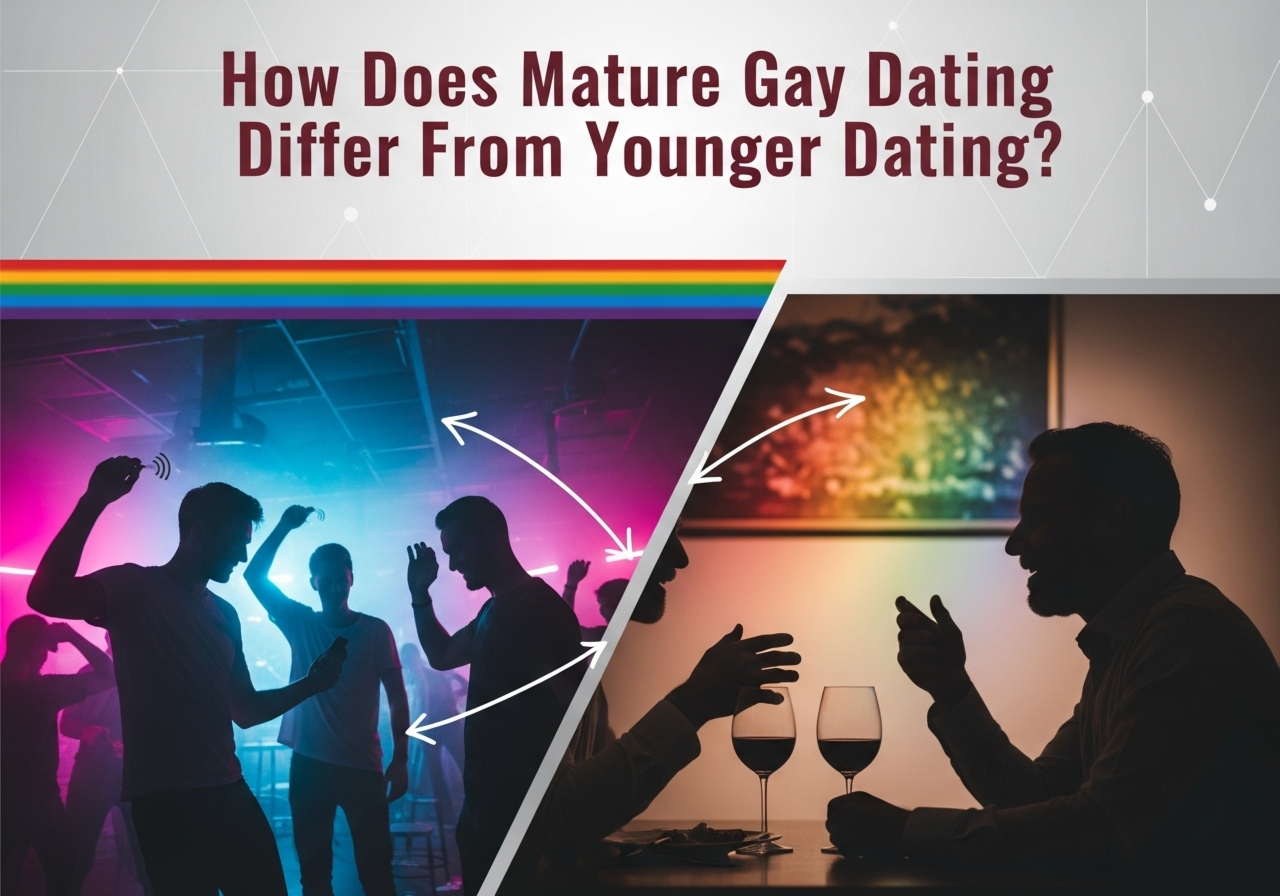
Have you noticed that dating in your 40s, 50s, or beyond feels very different from the way you dated in your 20s?
How Does Mature Gay Dating Differ From Younger Dating?
You’re about to read a focused look at how dating as a mature gay person often differs from younger gay dating—and what that means for your expectations, choices, and strategies. This article breaks down emotional, practical, social, technological, and health-related differences so you can approach relationships with clarity and confidence.
A short framing: why the comparison matters
You probably carry memories and habits from younger dating that still influence your behavior and expectations today. Having a clear sense of what changes with age helps you adapt, make better choices, and enjoy more satisfying connections. This section introduces the main themes you’ll see throughout the article.
Quick table: mature vs. younger dating at a glance
This table summarizes high-level differences you can use as a quick reference. Read the article to get practical advice for each area.
| Area | Mature Dating (40s+) | Younger Dating (20s–30s) |
|---|---|---|
| Priorities | Long-term compatibility, stability, emotional honesty | Exploration, identity formation, social experiences |
| Time commitments | Often limited due to careers, kids, responsibilities | More flexible time, social freedom |
| Dating pool | Smaller, more selective, often with baggage | Larger, more varied, often open to experimentation |
| Communication | Direct, value-driven, clear boundaries | Sometimes indirect, experimental, more casual |
| Use of apps | Selective, often prefers niche or serious platforms | Heavy app usage, swiping culture, casual encounters |
| Emotional needs | Security, respect, companionship | Identity support, peer approval, novelty |
| Health considerations | STI awareness, chronic conditions, sexual health maintenance | Focus on HIV prevention, peak sexual health |
| Family dynamics | Ex-partners, children, blended families | Fewer family obligations, usually no kids |
| Risk tolerance | Lower, prefers predictable safety | Higher, more willing to take romantic risks |
Life stage affects dating goals
Your life stage shapes what you want from a partner and how you date. In your 40s and beyond you usually have a clearer sense of who you are and what you want, which changes the kinds of relationships you pursue. Younger people are often still discovering identity and preferences, so their dating goals can be more fluid and experimental.
Prioritizing stability and compatibility
As a mature dater, you likely prioritize emotional stability, shared values, and compatibility around lifestyle and future plans. You’re more likely to ask practical questions early—about finances, living arrangements, health, and family—because these things matter and can’t be ignored. In younger dating, topics like career trajectory or living situation may feel transient and less urgent.
The role of past relationships and emotional baggage
You carry more relationship history, and that history shapes how you approach new partners. Past marriages, long-term partnerships, breakups, and parenting experiences contribute to your expectations and boundaries. That baggage can help you recognize red flags sooner, but it may also require clearer communication and emotional processing. Younger daters usually have fewer complex past commitments to reconcile.
Communication tends to be clearer
You’re more likely to value direct communication, honesty, and well-defined boundaries. You probably have developed better skills in articulating needs and reading emotional cues, and you might be less willing to tolerate games or ambiguity. Younger daters might still be experimenting with communication styles and learning to express needs effectively.
Dating pool size and selectivity
The pool of potential partners often shrinks as you get older, for several reasons: fewer people in your age bracket using apps or attending relevant social scenes, many already partnered, or people moving for career/family reasons. That smaller pool usually forces you to be more selective and intentional. Younger people benefit from a larger, more varied dating pool where experimentation and high turnover are common.
Technology and how you use it
Technology changes the character of dating at every age, and your relationship with apps typically changes as you mature. You’ll probably use apps more selectively, preferring platforms geared toward serious relationships or niche communities. Younger daters often engage with many apps and adopt the swiping culture more readily, treating matches as a high-volume, low-commitment experiment.
Choosing platforms intentionally
You’ll find value in choosing platforms that match your intentions—serious apps, local LGBTQ+ groups, or community-focused websites. You may prefer smaller or private groups where authenticity is higher. Younger daters often gravitate to mainstream apps with large user bases and casual interactions.
Managing expectations online
Online communication may feel transactional if you or your matches aren’t aligned on intentions. You can reduce frustration by clearly stating what you want in your profile, asking direct questions early, and setting boundaries around time investment. Younger daters may accept a higher degree of ambiguity and treat online conversations as part of a broader social experiment.

Dating etiquette and norms
Dating etiquette shifts with age. As you mature, you might expect punctuality, follow-through, and respect for commitments more strongly. There’s often a greater expectation of mutual emotional labor and reciprocity. Young daters often tolerate more casual or flaky behavior because social lives and peer expectations can normalize that.
Meeting in person vs. prolonged messaging
You likely prefer meeting sooner to get a real sense of chemistry and compatibility, because your time is limited and you want authentic connection. Younger people sometimes engage in prolonged messaging before meeting, enjoying the flirtation and virtual experimentation. Both approaches have merits, but your time constraints often push you toward more efficient evaluation.
Sex, intimacy, and physical priorities
Sexual priorities and the role of intimacy can shift as you age. You may balance physical desire with emotional intimacy, health considerations, and long-term compatibility. For many mature daters, sex remains important but is situated within a broader context of companionship and mutual respect.
Physical health and sexual wellness
You might be more attentive to sexual health, chronic conditions, and aging-related changes. Conversations about STI status, sexual compatibility, and medication (including PrEP or other prevention strategies) are often frank and pragmatic. Younger daters may focus more on risk-taking or spontaneity, though that varies widely by individual.
Managing mismatched libidos
You may have more experience negotiating libido differences and balancing schedules, responsibilities, and health. Open, nonjudgmental conversations about frequency, preferences, and boundaries can keep sexual relationships satisfying. Younger daters may have fewer constraints but also less experience in long-term compromise.
Family and social networks
Family and social networks play different roles for you now than they did when you were younger. You might have children, older relatives, or long-standing friendships that influence dating choices. These networks can offer support but also introduce complications, such as custody schedules or expectations about public appearances.
Children and blended families
If you or your partner have children, you’ll navigate parenting responsibilities, custody schedules, and how to introduce partners to kids. You’ll want to think deliberately about timing, boundaries, and mutual expectations. Younger daters are less likely to have children, so they usually avoid these complexities.
Social circles and chosen family
You likely rely on a chosen family and long-term friendships for emotional support, and these relationships can affect your dating life. Your friends may know your history and can be a sounding board, but they might also have opinions that matter to you. Younger people often depend on peer networks that reflect more recent identity formation.
Community visibility and social scenes
The gay social scene looks different depending on your age and location. You may find fewer venues that cater to mature men, while younger scenes often emphasize nightlife, trends, and rapid turnover. That can make meeting like-minded people more challenging, but it also opens opportunities to create or join mature-focused groups and events.
Local groups and specialized events
You can find or start groups focused on outdoor activities, dining, book clubs, or travel for mature gay men. These settings often encourage deeper connections and shared interests rather than purely sexual encounters. Younger daters may rely more on bars, parties, and app-based meetups.
Emotional availability and relationship readiness
Emotional readiness often increases with age, though it’s not universal. You may have clearer boundaries, less tolerance for drama, and more emotional resilience. Mature daters commonly value honesty and stability, and they may be quicker to identify whether someone is ready for a committed relationship. Younger daters sometimes prioritize exploration and identity formation over immediate commitment.
Moving from casual to committed
You might prefer relationships with clear trajectories, and you may ask earlier about long-term intentions. You’ll likely be more pragmatic about whether a partnership can meet your needs for the foreseeable future. Younger people commonly prioritize short-term experiences and may hesitate to define relationships.
Financial considerations and independence
Financial situations often influence mature dating more than younger dating. You may be financially independent, own property, or face retirement planning, which affects compatibility and long-term planning. Conversations about finances, lifestyle expectations, and economic goals are often practical and necessary.
Discussing money and living arrangements
You’ll benefit from having straightforward discussions about financial expectations, whether that involves living together, combining assets, or managing expenses. Younger daters may postpone or de-emphasize these talks as finances can be in flux in earlier life stages.
Health, wellness, and long-term care planning
Health becomes a larger factor as you age. You may consider long-term care preferences, chronic conditions, and healthcare navigation when deciding on a partner. Discussing health history and expectations is an important part of compatibility assessment for mature daters.
STI prevention and testing
You’ll want to discuss testing history, prevention strategies (like PrEP), and current health practices openly. This conversation is a normal part of mature dating and can help build trust. Younger daters sometimes avoid detailed health conversations, but best practice is to be proactive at any age.
Dating with authenticity and authenticity’s value
As you get older, authenticity often becomes more important. You likely prefer partners who present themselves honestly about age, status, and intentions. Authenticity fosters faster trust and reduces wasted time. Younger daters sometimes experiment with different personas as they figure out identity.
Attitudes toward age gaps
Your perspective on age differences may change over time. You may feel comfortable with partners who are older or younger, but you’ll likely consider practical implications—energy levels, long-term plans, family dynamics. Younger daters sometimes focus less on long-term concerns and more on immediate chemistry.
How to evaluate age-gap relationships
When you consider an age-gap relationship, weigh lifestyle compatibility, health outlook, and future goals. Discuss expectations explicitly and acknowledge potential societal or family reactions. Doing this early can prevent misunderstandings later.

Handling rejection and breakups
You may process rejection and breakups differently now. Mature daters often have more self-awareness and coping skills, and you can use your history to manage grief more constructively. You might also be less drawn into dramatic cycles and more focused on lessons and growth. Younger individuals sometimes experience breakups as major identity shifts that take time to process.
Safety and boundary-setting
Your approach to safety and boundaries likely becomes more explicit and firm. You might insist on clear communication about intentions, set safety checks for meeting new people, and rely on trusted friends to vet connections. Younger daters typically adopt similar safety practices but may be more experimental with boundaries.
Practical safety tips for meeting new people
You should meet in public places first, share your plans with a friend, and consider a video call before an in-person meetup. Trust your instincts and set clear expectations about privacy and comfort. These steps are practical and decrease risk without sacrificing opportunity.
Dating after loss or long-term relationships
If you’re returning to dating after a long-term relationship, divorce, or bereavement, you’ll navigate unique emotional terrain. You may need time to grieve and to redefine what companionship looks like for you. Take small steps, be honest with potential partners about your process, and allow relationships to develop at a comfortable pace.
Practical tips for presenting yourself
Your profile, photos, and initial messages matter differently now. You may prefer clarity about relationship goals, a handful of well-composed photos, and a bio that highlights values and interests. Younger daters sometimes prioritize trendiness and humor over depth in profiles.
Photo and profile suggestions
Choose photos that represent your lifestyle, smile naturally, and show full-body and candid shots. Keep your bio concise but specific—mention important values, activities, and what you’re looking for. Clarity attracts compatible matches and reduces wasted messages.
First date strategy for mature daters
On first dates, prioritize meaningful conversation over trying to impress. Ask about values, routines, family, and life goals in a respectful way. Keep the setting comfortable and choose activities that allow for conversation and connection. Younger daters may focus more on fun and novelty, but you may prefer a slower pace to gauge compatibility.
Red flags to watch for
You’ll recognize many red flags quicker now: evasiveness about major life details, dishonesty, disrespect toward boundaries, and inconsistency. Financial manipulation, unwillingness to discuss health, or refusal to meet in person after prolonged chatting are other common issues. Trust your judgment and set firm boundaries.
Opportunities: building richer relationships
One big advantage of mature dating is the potential for depth. You can build relationships based on shared life experience, mutual respect, and clearer long-term goals. Mature partnerships often center on companionship, shared routines, and emotional safety. You have the chance to be selective and to invest in high-quality connections.
Challenges you may face
Dating later in life can also bring challenges: smaller dating pools, complicated logistics (children, caregiving), and internal baggage. Ageism and stereotypes in the gay community can be discouraging, and you may need resilience and creativity to find compatible partners. Recognizing these hurdles helps you plan for them strategically.
Good practices for successful mature dating
There are practical habits that increase your chances of success: be explicit about your intentions, choose platforms and events that reflect your interests, maintain your own social life, prioritize health, and practice clear, compassionate communication. These practices help you attract compatible partners and create sustainable relationships.
When to seek professional help
If you find recurring patterns—difficulty trusting, repeating bad relationship choices, or unresolved grief—it can help to talk with a therapist or coach who understands queer issues. Professional guidance can speed emotional recovery and improve relationship skills. Mature daters often benefit from therapy when transitioning from long-term relationships or managing blended-family dynamics.
Resources and community connections
You can strengthen dating success by connecting to supportive communities: local gay centers, mature-focused meetup groups, LGBTQ+ elders organizations, and online forums for older queer people. These resources offer social opportunities, advice, and friendships that help your romantic life. Being connected reduces isolation and increases the chance of meeting compatible partners.
Final approach: how to date with intention and joy
To get the most out of mature dating, combine intentionality with openness. Know your non-negotiables, communicate your needs clearly, and remain curious about people’s stories. Approach dating as an opportunity to find companionship, learn, and grow—not as something you must perfect.
Short checklist for your next steps
A compact checklist helps you act with intention:
- Clarify your relationship goals and priorities.
- Update your profile to reflect authenticity and intent.
- Choose platforms and social spaces that match your interests.
- Schedule in-person or video meetups early to assess chemistry.
- Discuss health, boundaries, and expectations politely but directly.
- Be patient with yourself and maintain social support.
- Consider therapy if past patterns keep repeating.
Closing thoughts
You have valuable experience, clearer priorities, and the capacity for deep connection that comes with maturity. While the dating landscape changes as you age, your tools—authenticity, communication, and discernment—become sharper. Use them to create the kind of relationships that bring lasting companionship, respect, and joy.