
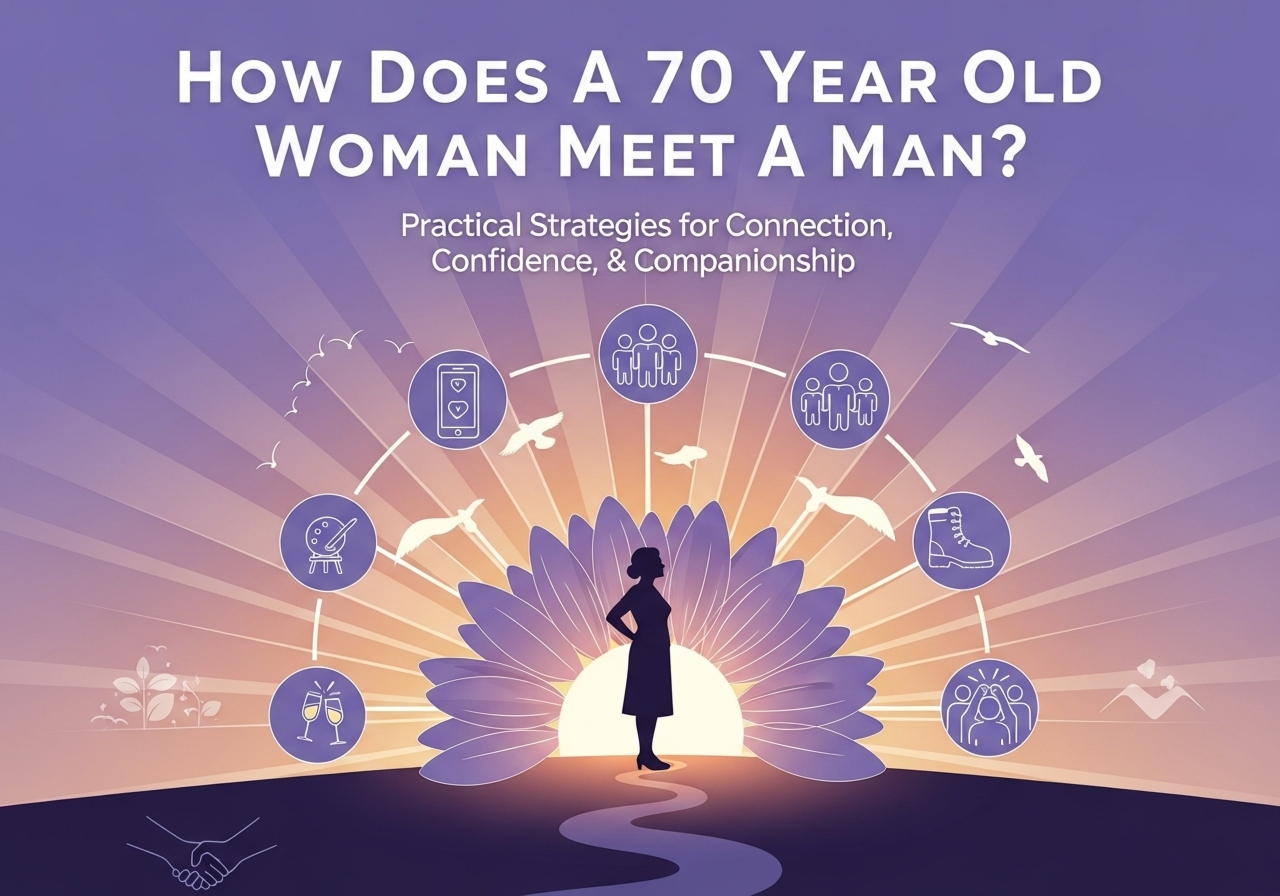
Have you been wondering how a 70-year-old woman meets a man in today’s world?
How Does A 70 Year Old Woman Meet A Man?
You’re not alone in asking this. Whether you’re newly single, have been single for a long time, or you want companionship after retirement or loss, meeting someone at 70 is both possible and rewarding. This guide gives practical, realistic steps and ideas to help you meet men who share your values, interests, and life goals.
Start with your mindset
Your mindset shapes how you present yourself and where you look for new relationships. At 70, you bring life experience, emotional maturity, and clarity about what matters to you. Let confidence and curiosity guide you, not pressure to fit anyone else’s timeline.
Be open to different types of relationships — companionship, friendship, romance, or a mix. Recognize your boundaries and communicate them clearly. If you’re worried about ageism, remind yourself that many men value honesty, warmth, and life experience more than youth.
Know what you want
Take time to clarify what you want in a relationship. Do you want someone local or willing to travel? Are you looking for daily companionship or occasional dates? Do you want a partner who shares religious beliefs, hobbies, or political views?
Write down the nonnegotiables (health habits, living arrangements, financial transparency) and the nice-to-haves (shared hobbies, similar travel plans). Having this list narrows your search and helps you recognize compatible people quickly.
Improve your confidence and appearance
Feeling good about yourself makes meeting people easier. This doesn’t mean changing who you are; it means honoring yourself.
Grooming and style
A little attention to grooming and style can boost your confidence. Choose clothing that flatters your body, feels comfortable, and reflects your personality. Consider a style refresh if you haven’t updated your wardrobe in years — a trusted stylist, friend, or a personal shopping service can help.
Maintain good dental and skincare routines, and if mobility permits, stay active with gentle exercise like walking, yoga, or swimming to improve mood and energy. These changes help you feel more present and open when meeting new people.
Health and sexual wellness
Your health plays a role in dating. Stay on top of medical checkups, medication management, and sexual health. If you’re concerned about sexual activity, talk openly with your doctor about safety, libido changes, and treatments. Knowing your limits makes conversations with potential partners simpler and safer.
Expand your social circles
Meeting someone often happens naturally within expanded social circles. Actively increasing your social opportunities increases the chance of meeting a compatible man.
Family and friends
Let trusted family and friends know that you’re open to meeting someone new. Many people in later life meet partners through mutual acquaintances. Be clear about your preferences so friends can make thoughtful introductions.
Attend family events with an open heart. Introductions at family gatherings, anniversaries, or other celebrations can lead to respectful, low-pressure encounters.
Social clubs and senior centers
Senior centers, clubs, and community centers offer activities where you can meet people with shared interests. From card games and dances to cultural outings and classes, these places create natural opportunities to connect.
Attend regular events so faces become familiar. Consistent presence builds rapport and trust.
Religious and spiritual communities
If faith is important to you, your place of worship can be a good venue for meeting men who share your values. Volunteer for committees, attend social events, and join study or fellowship groups to meet people in a context that already aligns with your worldview.
Volunteering and civic engagement
Volunteering introduces you to purposeful people of various ages. Choose causes you care about — literacy programs, food banks, museum docents, or hospital volunteers. Working side-by-side builds natural camaraderie and gives you meaningful conversation starters.
Classes, hobbies, and interest groups
Sign up for classes at a community college, lifelong learning program, or local hobby groups. Art classes, music ensembles, language lessons, gardening clubs, or walking groups attract men who value learning and activity.
Group travel, photography clubs, and history groups often attract people with adventurous spirits who enjoy connection.
Activities with built-in interaction
Activities that prompt conversation make introductions easier. Examples include ballroom dancing, cooking classes, wine tastings, card games, or bridge clubs. Shared tasks help you gauge compatibility without pressure.
Use technology wisely: online and app dating
Online dating is common at any age now, and many platforms cater specifically to older adults. If you’re willing to try technology, it significantly widens your pool and lets you screen for compatibility before meeting.
Choose senior-friendly platforms
Some apps and sites are built for older adults:
- OurTime — for singles over 50, interface designed for older people.
- SilverSingles — focuses on compatibility and detailed profiles.
- eHarmony — detailed compatibility matching; not age-specific but used by older adults.
- Match.com — large user base; you can filter by age.
- Facebook Dating — integrated with your social network (availability varies by region).
- Senior Planet and meetup-type sites — for activity-based connections.
Pick one or two platforms, set up a simple but warm profile, and start slowly. If tech feels daunting, ask a trusted friend or family member to help set up your profile and show you basic site navigation and safety features.
Writing a compelling profile
Create a profile that highlights your personality and what you enjoy. Use clear, recent photos and write in a friendly, honest tone.
Profile tips:
- Use a smile in your main photo; show your face clearly.
- Include a full-body photo if comfortable.
- Mention hobbies, activities, and a few specifics (“I love morning walks by the lake and Sunday crossword puzzles”).
- State what you’re looking for in positive terms (“seeking a companion for travel and quiet evenings”).
- Avoid negativity or long lists of demands.
Example short profile: “I enjoy museum outings, gardening, and a good mystery novel. I’m looking for a kind man who values conversation, laughter, and occasional weekend getaways. If you like mind games and Sunday pancakes, let’s talk.”
Messaging and first contacts
First messages should be brief, friendly, and specific. Reference something from their profile to show genuine interest.
Sample messages:
- “I noticed you mentioned hiking in your profile — where’s a favorite local trail?”
- “You mentioned you love jazz. Which musicians do you listen to these days?”
Avoid overtly personal or sexual comments in early messages. Take time to exchange several messages or a phone call before meeting in person.
Phone calls and video chats
A phone call or video chat before meeting helps you sense chemistry and verify identity. Keep early calls short and conversational. Ask about interests, family, and expectations. Trust your instincts—if something feels off, pause.
Meet through events and travel
Events and travel create memorable shared experiences that can spark connections.
Group travel for Mature Adults
Many travel companies offer group trips for older adults — museum tours, river cruises, adventure trips, or cultural tours. Shared travel fosters bonding and creates natural time for conversation. Choose reputable companies that manage logistics and safety.
Local events and festivals
Attend local concerts, theater productions, book readings, farmers markets, and lectures. These attract culturally engaged people and give you topics to talk about afterward.
Speed dating and singles events
Some communities host speed dating or singles mixers geared toward older adults. These events let you meet several people in a short time. Consider going with a friend for support if the setting feels unfamiliar.
Professional help and matchmaking
If you prefer a more curated approach, consider matchmakers or dating coaches who specialize in older adults.
Matchmakers and dating services
Personal matchmakers offer tailored matchmaking and handle introductions for you. They can save time and reduce online fatigue. Expect to pay for services, and interview matchmakers for experience, references, and process transparency.
Dating coaches and image consultants
A dating coach can help with profile writing, conversation skills, and confidence. An image consultant can advise on styling and grooming to feel your best for dates or photos.

Safety and scam awareness
Your safety is paramount when meeting new people, online or in person. Scammers often target older adults, so remain cautious about sharing personal information or sending money.
Safety checklist
- Meet in public, well-lit places for early dates.
- Tell a friend or family member where you’ll be and who you’re meeting.
- Arrange your own transportation unless you feel very comfortable otherwise.
- Keep personal details (address, bank info, Social Security) private until you fully trust someone.
- Be wary of sudden deep personal revelations, requests for money, or stories designed to pull on sympathy.
- Use secure payment methods for travel or event bookings; avoid wire transfers or gift cards.
- Trust your gut—if something feels off, pause communication.
Red flags in online communication
- Requests for money, help with travel, or financial crises.
- Reluctance to use video chat or speak on the phone.
- Stories that change or feel inconsistent.
- Pressure to move quickly into an exclusive or financial arrangement.
If you suspect fraud, report it to the dating platform and, if needed, local authorities and consumer protection agencies.
Conversation skills and first dates
Good conversation turns an introduction into a relationship. Focus on listening as much as sharing.
Conversation starters and topics
Ask open-ended questions that invite storytelling:
- “What brought you to this area?”
- “What did you do before you retired?”
- “Do you have a favorite trip or memory?”
- “What are you curious about learning next?”
Share your stories in brief, inviting follow-up questions. Use humor when appropriate and be present. Avoid heavy topics in the first few meetings — taxes, health diagnoses, financial details — unless both of you are comfortable.
Topics to avoid at first
- Detailed medical histories (beyond general health and activity level)
- Financial specifics
- Past relationships’ grievances or legal disputes
- Political or religious debates unless you know compatibility
Handling differences
If you find differences, be open and respectful. Healthy relationships include compromise and curiosity. If a difference matters deeply (religion, living arrangement, caregiving needs), discuss respectfully to see if alignment is possible.
Managing grief and dating after loss
If you lost a spouse or partner, dating again can bring up complex emotions. There’s no “right” timeline — follow your feelings and take it slowly.
Give yourself permission to grieve and to want connection
Grief and desire for companionship can coexist. Let your healing guide your pace. Inform potential partners if you’re still processing loss — honesty sets realistic expectations.
Talk with family
Family members may have strong feelings about you dating again. You can reassure them that your decisions are thoughtful and that you’re being cautious. Involve adult children in conversations when helpful, but make your own choices.
Practical matters: finances, living arrangements, and legal protections
Dating at 70 often involves practical considerations like finances, wills, and living situations. Protect your interests early.
Financial transparency and boundaries
Talk about finances when the relationship becomes serious. Discuss expectations around dates, splitting costs, and potential future living arrangements. Be cautious about combining finances too quickly.
Legal protections
Consider these legal steps if you form a committed partnership:
- Update your will, beneficiary designations, and powers of attorney.
- Discuss caregiving preferences and living arrangements ahead of crises.
- Vet any prenuptial agreements if marriage is considered.
Consult a trusted attorney for specific advice, especially if either of you has significant assets, estate planning needs, or existing legal obligations.
Housing and moving in
If living together becomes a possibility, take time to see how daily habits align. Try extended stays or shared travel before moving in. Discuss caregiving roles, household chores, pets, and finances upfront.
When sex and intimacy enter the picture
Intimacy is a normal, healthy part of relationships at any age. Communicate openly about desires, boundaries, and health.
Communication about intimacy
Be frank about what you want and what you don’t. If you use medications, have health conditions, or need accommodations, discuss these respectfully. Mutual consent and comfort come first.
Sexual health
Get regular medical checkups and discuss sexual health with your doctor. Consider STI testing if you have new sexual partners. Use protection if needed and follow your doctor’s recommendations.
Managing expectations and pacing
Relationships at 70 often move at a different pace than in younger years. Both partners may have established routines, health needs, and family obligations.
Be realistic. You can build deep connection over months rather than weeks. Allow friendship to develop into romance naturally. Communicate expectations about frequency of contact, travel, and time spent with family.

Handling rejection and staying resilient
Rejection stings at any age. Treat it as a normal part of dating and an opportunity to clarify what you want.
Keep a support network of friends and family. Continue activities you enjoy, maintain routines, and be kind to yourself. Over time, each experience helps you refine what you want.
Red flags and relationship safety
Watch for signs of controlling, manipulative, or abusive behavior. These include isolating you from friends and family, controlling finances, excessive jealousy, or pressuring you into anything you’re uncomfortable with.
If you suspect abuse, contact local domestic violence resources or law enforcement. Keep emergency contacts accessible and consider an action plan in advance.
Comparing ways to meet men
This table helps you weigh different avenues so you can choose strategies that suit your personality and comfort level.
| Method | Pros | Cons | Tips |
|---|---|---|---|
| Senior centers & clubs | Many peers, structured activities, low pressure | May attract limited diversity of interests | Attend regularly; try multiple activities |
| Volunteering | Meaningful shared purpose; natural teamwork | Schedules may be irregular | Choose causes you care about; be visible |
| Religious groups | Shared values and community support | Can be conservative; smaller pool | Join study groups or volunteer committees |
| Classes & hobbies | Built-in conversation topics; learn together | Requires time commitment | Pick classes with mixed-age groups for variety |
| Group travel | Bonding through experiences | Costly; logistical planning | Choose reputable agencies and small groups |
| Dating apps (senior-focused) | Large pool; ability to screen | Profiles can be misleading | Use senior-friendly apps, verify profiles |
| Matchmakers | Curated introductions; saves time | Costly; depends on matchmaking quality | Interview agencies, ask for references |
| Friends & family introductions | Trust-based, lower risk | Can be awkward; limited pool | Be specific about your preferences |
| Public events & festivals | Casual, fun atmosphere | Chance encounters are unpredictable | Attend events regularly and with an opener in mind |
Sample messages, profile lines, and conversation starters
Use these templates and adapt them to your voice and situation.
Profile taglines
- “Curious reader, traveler, and committed gardener looking for someone to share Sunday mornings and museum afternoons.”
- “Retired teacher who loves bridge nights and fresh-baked bread. Seeking thoughtful companion for conversation and occasional road trips.”
First message templates
- “I loved that you mentioned sailing — do you have a favorite place to sail nearby?”
- “You said you enjoy jazz. The local club has a show Friday night; would you be interested in going as friends to hear some music?”
Phone/video call openers
- “It’s lovely to hear your voice. How did you spend your morning?”
- “What’s the next place you’d love to visit, even if it’s just in your imagination?”
First-date conversation starters
- “What brings you the most joy right now?”
- “Tell me about a day when you felt really proud.”
Conversation topics to try and avoid
Try: Travels, hobbies, pets, family anecdotes, light memories, favorite foods, daily routines, books, music. Avoid at first: Detailed medical news, recent legal battles, deep financial specifics, intense political debates.
Practical checklist for going on a first date
- Choose a public, comfortable venue.
- Share date details with a trusted person (who, where, when).
- Carry your phone and ensure it’s charged.
- Wear comfortable shoes and clothing you feel confident in.
- Have cash and card options; arrange your own ride.
- Set an end time if that makes you feel secure.
- Follow your instincts; leave if you feel unsafe.
Questions to ask to assess compatibility
- “How do you like to spend your typical week?”
- “Do you prefer quiet evenings at home or regular social outings?”
- “Are you open to travel or would you prefer staying local?”
- “How do you handle health or mobility changes?”
- “What role does family play in your life?”
When things get serious: talking about long-term plans
If the relationship grows deeper, discuss:
- How you’ll handle medical decisions.
- Estate planning and financial transparency.
- Expectations around caregiving and living arrangements.
- Family introductions and boundaries.
These conversations may feel heavy but are essential for long-term peace of mind.
Resources and organizations
- AARP resources on dating, scams, and senior issues.
- Local senior centers and parks & recreation departments — event listings.
- Local community colleges — continuing education courses.
- Reputable dating platforms for older adults (OurTime, SilverSingles).
- Local adults education programs and travel groups for older people.
Final steps: practical action plan
- Clarify what you want (write it down).
- Refresh your personal presentation (grooming, photos).
- Try at least two new social venues or one online platform.
- Practice conversation openers and safety routines.
- Be patient and consistent — attend events regularly.
- Talk frankly about needs and boundaries when things progress.
- Use resources (coaches, matchmakers) if you want personalized help.
Frequently asked questions
Is it too late to find romantic love at 70?
No. People form meaningful romantic and emotional relationships throughout life. Your life experience can be attractive and reassuring to many men.
Should I tell someone I lost a spouse early on?
You can mention that you were married and are now single. Depth of detail is up to you and the pace of the relationship, but honesty about your emotional availability is kind to both of you.
What if I’m not tech-savvy?
Ask a trusted friend or family member for help setting up a profile. Consider classes on basic smartphone/tablet use at a library or community center.
How long should I wait before introducing someone to family?
There’s no set rule. Introduce new partners to family when it feels right and when both of you are comfortable. Wait until you’ve had a few meaningful interactions to avoid false expectations.
If I meet someone who needs caregiving, what should I do?
Discuss expectations and boundaries early. If caregiving enters the picture, consult family and possibly professionals to ensure it’s manageable and fair.
Encouragement to move forward
Meeting someone at 70 is about combining patience, courage, and small consistent steps. You don’t need to rush — be intentional, protect your well-being, and take joy in new conversations and activities. Whether you seek companionship, romance, or friendship, you bring unique strengths and stories that can connect you to someone wonderful.
If you want, I can help you draft a dating profile, write some first messages, or suggest local activities based on your area and interests. Which would you like to do first?