
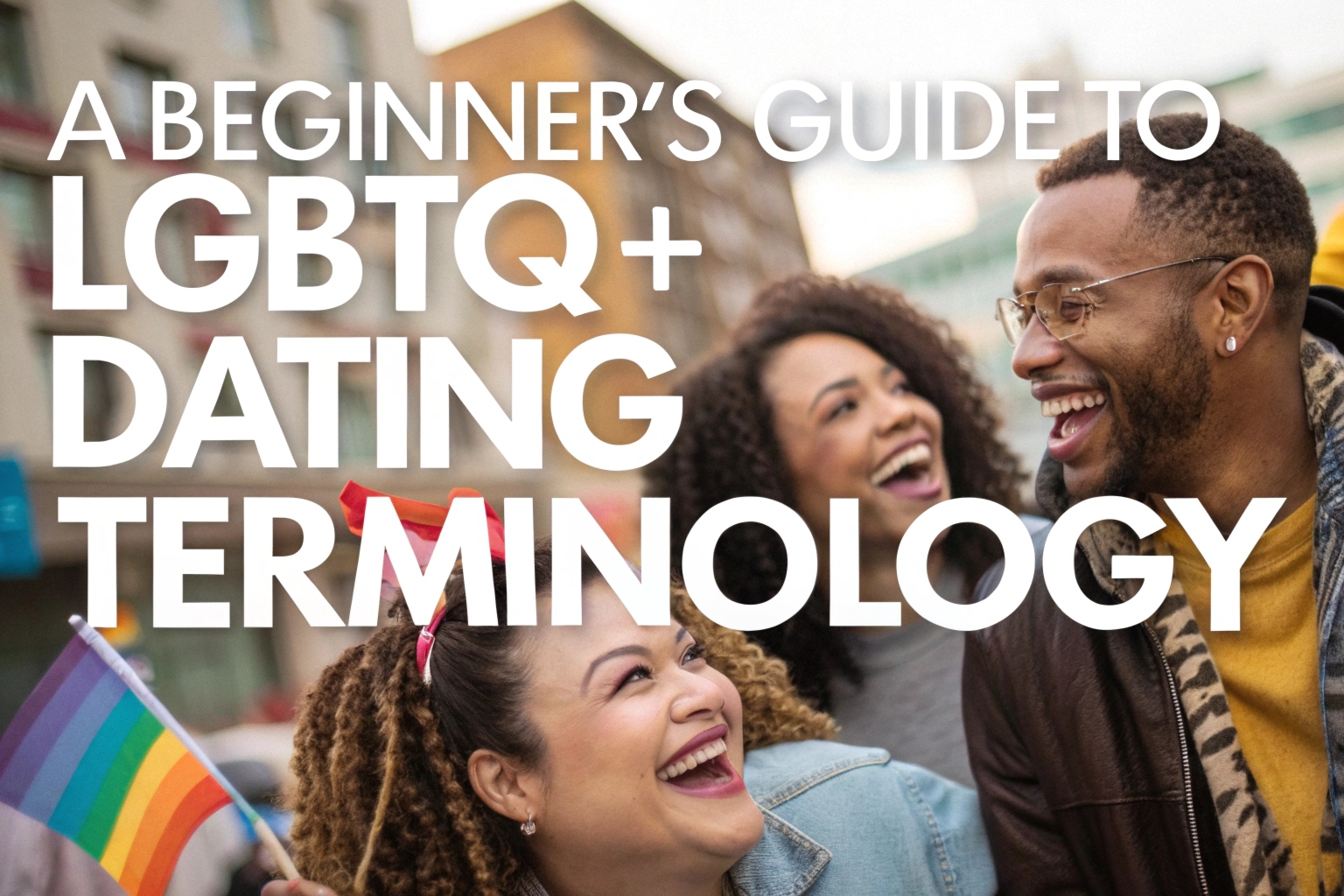
Have you ever felt a little lost in the terms people use when dating within or around LGBTQ+ communities, and wished someone would quietly walk you through them without judgment or theatrics?

A Beginner’s Guide To LGBTQ+ Dating Terminology
This guide is written for you — someone who wants to understand the vocabulary that turns awkward conversations into respectful ones, and misunderstandings into moments of connection. You will find definitions, small practical tips, and gentle notes about etiquette so you can communicate with more confidence and kindness.
Why words matter in dating
Words are how you map another person’s interior life when you can’t sit inside their head. Using the right terminology helps you show respect, lower confusion, and build trust early on. People choose labels for different reasons: identity, convenience, politics, or comfort — and being willing to learn is one of the kindest things you can do.
Labels are tools, not rules
Labels help people name themselves and find community, but they aren’t legal contracts that lock a person into behavior. You can take labels as helpful signposts while also leaving room for complexity and change. When you meet someone, let the label guide your initial assumptions but stay curious and open.
People change their labels sometimes
People can shift how they describe themselves as they learn more about themselves or as their life circumstances change. That’s normal, not suspicious. If someone changes a label, treat it as a new honest moment rather than a betrayal of past words.
Sexual orientations
Sexual orientation is about who you feel sexual attraction toward. This is different from romantic orientation (who you fall in love with) and from gender identity (who you are). The list below will help you recognize common terms you may encounter in dating contexts.
Gay
Gay typically describes a man who’s attracted to men, but it’s also used broadly as an umbrella term for same-gender attraction. If someone tells you they’re gay, you can respond as you would to anyone sharing a piece of their life: respectfully and without prying.
Lesbian
Lesbian refers to a woman who’s attracted to women. The term carries personal and historical meaning for many people; treat it with straightforward respect when someone uses it to describe themselves.
Bisexual
Bisexual describes attraction to two or more genders, commonly interpreted as attraction to both individuals, but many people use it more expansively. Don’t assume bisexual people are equally attracted to everyone at all times; attraction varies person by person.
Pansexual
Pansexual people experience attraction regardless of a person’s gender; gender may simply not be a determining factor. In practice, pansexuality and bisexuality overlap for some people, but if someone says they’re pan, take that as the language they prefer.
Asexual (ace)
Asexuality describes people who experience little or no sexual attraction. Some asexual people still pursue romantic relationships, while others prefer companionship without sexual intimacy. If someone tells you they’re ace, it helps to ask what they mean by that in relation to dating, assuming they’re comfortable talking about it.
Gray-asexual (gray-ace)
Gray-asexual describes experiences that fall between asexuality and sexual attraction — rare attraction, attraction under specific conditions, or low desire. These nuances matter in dating, because they affect how often and under what conditions someone wants sexual connection.
Queer
Queer is an umbrella term reclaimed by many as a flexible, politicized, or less specific identity for people who don’t identify as straight or cisgender. Because it can be personal and loaded, let people use it for themselves rather than applying it to others.
Questioning
Questioning describes people who are still figuring out their orientation or identity. If someone says they’re questioning, offer patience and avoid pressing them for definitive answers.
Romantic orientations
Romantic orientation speaks to who you form romantic attraction toward, which can be distinct from sexual attraction. This is useful vocabulary because you might be sexually attracted to certain people yet romantically attracted to others — or to none at all.
Heteroromantic
Heteroromantic people are romantically attracted to people of a different gender than their own. For many, this aligns with heterosexual sexual orientation, but not always.
Homoromantic
Homoromantic people are romantically attracted to people of the same gender. If someone identifies as homoromantic but not sexually oriented the same way, remember that their romantic and sexual lives can be separate.
Biromantic and panromantic
Biromantic and panromantic mirror bisexual and pansexual sexual orientations but in the romantic domain. These labels describe who someone falls in love with, irrespective of sexual attraction.
Aromantic (aro)
Aromantic people experience little or no romantic attraction. That doesn’t automatically mean they don’t want companionship or intimacy — many aro people form deep, committed partnerships that look different from traditional romantic narratives.
Demiromantic and demiromanticism
Demiromantic people only experience romantic attraction after forming a strong emotional bond. In dating, that may mean slow-starting relationships that become deeply meaningful over time.
Gender identity basics
Gender identity is an internal sense of being male, female, both, neither, or something else. When you’re dating, knowing a person’s gender identity and pronouns helps you address them respectfully and avoid hurt or confusion.
Cisgender
Cisgender means your gender identity matches the sex assigned to you at birth. If someone says they’re cis, it simply tells you they don’t identify as transgender.
Transgender
Transgender people have a gender identity that differs from the sex assigned at birth. Many trans people transition socially, medically, or both, and the way they describe their transition is personal.
Nonbinary
Nonbinary refers to genders outside the male/female binary. People who are nonbinary may use a variety of pronouns and labels; ask what they prefer and use it.
Genderqueer and genderfluid
Genderqueer and genderfluid capture identities that reject strict gender categories or that change over time. If someone uses one of these terms, it’s a signal they want flexibility in how they’re seen.
Agender
Agender people identify as having no gender. That can shape how they relate to traditional dating scripts and expectations; be attentive to the language they use to describe their preferences.
Two-Spirit
Two-Spirit is a term used by some Indigenous North American people to describe a combination of gender, spiritual, and community roles. Because it’s culturally specific, avoid using it casually unless someone from that culture uses it for themselves.
Pronouns and how to use them
Pronouns are small words with big importance in showing respect. Using the correct pronouns tells someone you’re paying attention to who they are.
Common pronouns
You will encounter pronouns like he/him, she/her, and they/them. People may also use neopronouns such as xe/xem or ze/zir — if you don’t know, it’s okay to politely ask.
| Pronoun set | Example (subject / object / possessive) |
|---|---|
| he/him | He, him, his |
| she/her | She, her, hers |
| they/them | They, them, theirs |
| xe/xem | Xe, xem, xers |
| ze/zir | Ze, zir, zirs |
Asking for pronouns politely
You can offer your pronouns first as a low-pressure way to invite someone to share theirs: “I use she/her; what do you use?” If you make a mistake, apologize briefly, correct it, and move on. Prolonged apologies can put the other person in an awkward position.
Relationship styles and agreements
People practice many relationship styles, and understanding these helps you avoid mismatched expectations. Whether someone practices monogamy or polyamory affects how you plan time, emotional investment, and sexual boundaries.
Monogamy
Monogamy typically means exclusive romantic and/or sexual partnership between two people. If you prefer exclusivity, it’s fine to say so early in the conversation — but remain open to hearing what the other person prefers.
Ethical non-monogamy (ENM) and polyamory
Ethical non-monogamy, including polyamory, involves romantic or sexual relationships with multiple people with the consent of all involved. People practicing ENM often emphasize communication, agreements, and time-management skills.
Open relationships
Open relationships usually mean a committed partnership that allows sexual contact outside the primary relationship but may limit romantic involvement. If someone describes their relationship as “open,” ask what that specifically means for them.
Relationship anarchy
Relationship anarchy rejects preset labels and hierarchies in relationships, treating each connection as unique. If you’re dating someone who practices relationship anarchy, clarify expectations rather than assuming default roles.
Solo polyamory
Solo polyamory involves having multiple relationships without seeking a primary partner or cohabitation. Solo poly people often value independence and flexibility in logistics while maintaining emotional bonds.
| Relationship style | What it typically means | Things to ask about |
|---|---|---|
| Monogamy | Exclusive partnership | “Do you want exclusivity?” |
| Polyamory/ENM | Multiple consenual partners | “How are agreements handled?” |
| Open relationship | Primary partnership with sexual openness | “What boundaries exist?” |
| Relationship anarchy | No prescriptive rules | “How do you define commitment?” |
| Solo polyamory | Multiple relationships without primary nesting | “What do you need to feel secure?” |
Common dating slang and behaviors
Modern dating has a whole vocabulary for specific behaviors — many of them short, sharp words for awkward moments. Knowing them doesn’t make you immune to being hurt, but it helps you name what happened.
Ghosting
Ghosting means someone stops replying without explanation. It’s hurtful because it cuts off closure; if you find yourself uncertain whether to continue communicating, a brief check-in is usually kinder than silence.
Breadcrumbing
Breadcrumbing is sending intermittent flirtatious messages without a genuine intention to pursue a relationship. If someone breadcrumbs you, set a limit on how long you’ll tolerate it before moving on.
Benching
Benching means keeping someone on the sidelines as a backup while you explore other options. If you feel benched, you can call attention to it or choose to step away; either choice is reasonable.
Orbiting
Orbiting describes someone who stops meaningful contact but maintains a presence on your social media, liking posts or viewing stories. It creates ambiguity; if you need clarity, you can politely ask for it.
Cushioning
Cushioning is maintaining potential romantic alternatives as emotional backups. If you’re dating someone who cushions, consider how that affects your expectations for future commitment.
Catfishing
Catfishing is creating a fake identity to deceive someone online. Protect yourself by video-calling early and cross-checking basic information.
LGBTQ+-specific community terms
Within LGBTQ+ communities, descriptive terms often arise to describe appearances, roles, or subcultural tastes. Many are lighthearted; some carry historical context. Use them as people ask you to and avoid assigning them without consent.
Twink, bear, otter, and more
- Twink: often a young, slim, and smooth-presenting gay man.
- Bear: larger, often hairier gay men who embrace a rugged aesthetic.
- Otter: slimmer men who are hairy but not as large as bears.
These are shorthand for aesthetics, not character. If someone uses a label for themselves, accept it without commentary about fitness, age, or health.
Femme and butch
Femme and butch are terms used particularly within lesbian and queer women’s communities to describe gender expression. Femme often aligns with traditionally feminine presentation; butch with masculine presentation. Remember that appearance doesn’t tell you about sexual or romantic attraction unless someone tells you.
Chapstick lesbian and lipstick lesbian
These playful terms describe lesbians with varied degrees of feminine presentation; chapstick lesbian suggests a low-maintenance, moderately feminine style, while lipstick lesbian suggests more conventionally feminine appearance. They’re fun descriptors but not precise identities.
Kiki, circuit, and other subcultural words
Words like kiki (a social gathering with friends) and circuit (a series of dance parties) point to cultural practices rather than identity. If you’re invited to participate, ask what to expect and what’s appropriate.
How to talk about labels and identities
Language can feel like stepping on a porch with loose boards when you’re new to it. A soft, honest approach will usually keep the floor steady.
Ask, don’t assume
Assume nothing about someone’s gender, orientation, or relationship style based on their appearance, name, or the company they keep. Simple questions like “What pronouns do you use?” or “How do you describe your orientation?” are direct and kind.
Use open-ended, respectful questions
If you need clarity, ask open-ended questions that give the person the agency to explain: “Can you tell me what that means for your dating life?” rather than “Do you sleep with men or women?” The latter is invasive and likely unnecessary at the start.
Respect privacy
Some topics, like medical transition details or past relationships, are deeply personal. If someone shares intimate information, accept it without pressing for more. If they don’t volunteer, don’t ask in a way that would embarrass them.

Consent, boundaries, and safety
Consent is not a single moment but an ongoing conversation. Boundaries keep both people safe and connected.
The basics of consent
Consent should be enthusiastic, freely given, specific, and reversible. If there’s any pressure, silence, or ambiguity, pause and ask again. You’re responsible for ensuring consent is clear, not for guessing.
Negotiating boundaries
Talk about what you each want and don’t want at a pace that feels comfortable. Some people want to discuss sexual histories and STI status before becoming intimate; others prefer to wait. Respect those preferences while communicating your own.
Physical and online safety
When meeting someone new, choose a public place and tell a friend where you’ll be. For online dating, preserve identifying details until you trust the person and be cautious about sharing location-specific information early on.
Dating apps: profiles and signals
Apps are common in LGBTQ+ dating. Profiles are shorthand for human complexity; you can learn a lot, but don’t assume everything.
Profile items that light up a useful signal
Look for pronouns, relationship style, and a clear picture of what the person is doing in their life. Bios that mention activism, hobbies, and dealbreakers help you decide whether to initiate a conversation.
How to message respectfully
Open with something about their profile that genuinely interests you rather than a generic “hi.” Ask questions and share a bit about yourself. If someone says they’re not looking for serious dating, honor that.
Filters and categories
Many apps let you filter by gender, orientation, pronouns, and relationship type. Use those settings to reduce mismatches, but be aware that filters aren’t perfect and can exclude casual or hidden aspects of identity.
Red flags to watch for
Dating involves risk, and some behaviors indicate danger or disrespect. If you notice repeated patterns that make you uncomfortable, take them seriously.
Repeated boundary violations
If someone repeatedly ignores your stated limits — about sex, contact frequency, or privacy — that’s a clear sign to step back. Consistent disregard for your boundaries predicts unhealthy patterns.
Pressure, manipulation, or coercion
If you feel pressured to do something you don’t want, that’s manipulation. Healthy partners respect a genuine “no” and will work to understand your reasons rather than overrule them.
Outing someone or threatening to share details
Using someone’s identity as leverage or threat is abusive. If someone threatens to “out” you or them, distance yourself and seek support.
Gaslighting
If someone consistently denies your experience or blames you for their bad behavior, that’s gaslighting. It erodes your sense of reality and is a serious emotional red flag.
Mistakes you might make and how to recover
You will slip up sometimes. What matters is how you respond afterward.
Misgendering and wrong assumptions
If you misgender someone, apologize once, correct yourself, and move on. Prolonged apologies put the other person in an uncomfortable position; brief correction is respectful.
Using labels incorrectly
If you misuse someone’s chosen term, ask how they prefer to be described and make the change. If someone points out something you said was wrong, thank them and adjust.
Overstepping curiosity
Curiosity is human, but some questions are intrusive. If you want to know about surgery, family history, or genitalia, consider whether it’s relevant and whether the person has invited that level of intimacy.
Small conversation starters that are considerate
When you’re unsure how to begin, gentle, specific questions work better than blunt probes.
- “What pronouns do you use?”
- “How would you describe your ideal relationship right now?”
- “Is there anything you prefer not to talk about?”
- “What’s a favorite thing you do on a Saturday?”
These prompts center the other person’s comfort and give you useful information without prying.
Cultural context and sensitivity
Words have histories and cultural meanings. Some labels are reclaimed words with painful origins; others are regionally specific.
Understand cultural specificity
Two-Spirit is a term that belongs to certain Indigenous communities. Some European or Latin American countries use different words for identities that English speakers categorize as “gay,” “lesbian,” or “nonbinary.” If you’re speaking across cultures, ask gently and pay attention to local meanings.
Be humble about expertise
You can learn terms and use them respectfully, but you won’t be an expert in every cultural nuance. Approach conversations with curiosity and defer to people’s self-descriptions.
Resources to keep learning
Language shifts over time, and staying informed helps you communicate better. You can build your knowledge gradually.
Organizations and reading
Look for reputable resources from LGBTQ+ community centers, university gender studies departments, and trusted health organizations for definitions and best practices. Memoirs and essays from LGBTQ+ writers can give you the lived texture behind the labels.
Podcasts and community voices
Podcasts, YouTube channels, and community forums offer personal stories that put flesh on the vocabulary. Hearing how people describe their dating lives helps you understand nuance more than any glossary alone.
Everyday examples of what to say and not say
It helps to rehearse small scripts that keep you polite and honest.
What to say when you’re unsure
- “I’m still learning terminology — would you tell me how you identify and what that means for you?”
- “I use she/her. Would you like to share your pronouns?”
What not to say
- Don’t say: “But you don’t look like a lesbian.” That implies a stereotype and is hurtful.
- Don’t say: “Is that just a phase?” It dismisses someone’s honest present.
Final thoughts
Dating across and within LGBTQ+ communities can sometimes feel like learning a new grammar. If you approach conversations with curiosity, humility, and a willingness to correct yourself, you will be doing more than learning words — you will be practicing the small acts of respect that make real relationships possible. You will still make mistakes; you will still feel awkward sometimes. Let the vocabulary be a bridge, not a wall. Ask questions that matter, listen more than you speak, and trust that most people will respond kindly when you try to address them as they are.