
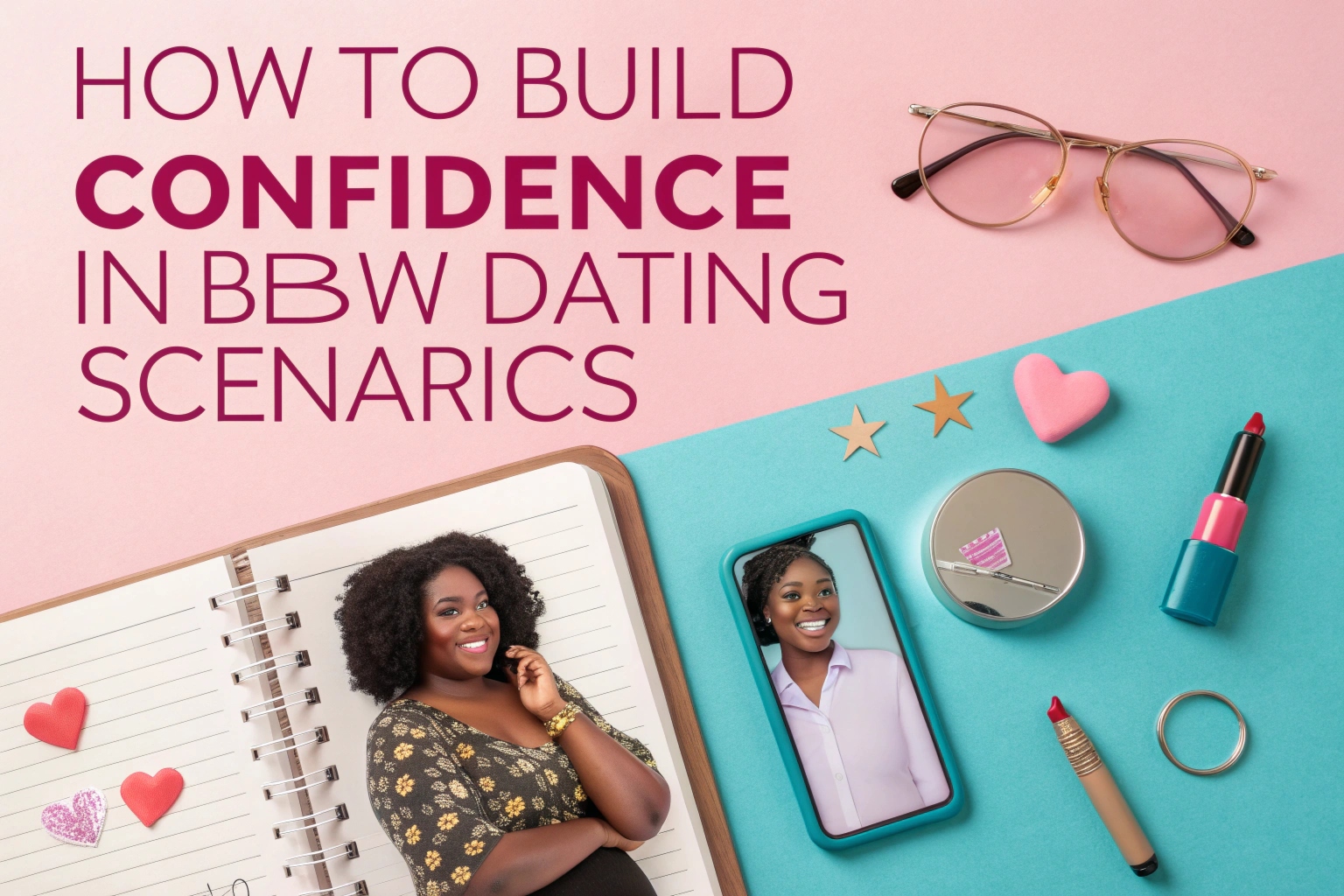
Have you ever felt a quiet tremor before a date — a small, honest worry about whether you will be seen for who you are?
How To Build Confidence In BBW Dating Scenarios
You are not stepping into a world that only rewards certain shapes and sizes. You are stepping into a world where your presence matters, where your story matters, and where confidence grows from many small, steady acts. This guide walks you through practical, emotional, and social steps you can take to feel more confident in BBW (big beautiful woman) dating scenarios. The voice here is gentle. The suggestions are concrete.
Understanding BBW Identity and Dating Culture
You might notice the label BBW carries different meanings for different people. For some it is praise, for others a curiosity, and for still others a fetish. Understanding how the term functions — in your life and in the dating marketplace — helps you set realistic expectations and find the people who will value you.
You deserve to know which spaces respect you. Learn to read the culture of dating apps, local scenes, and social groups. That awareness will help you decide where to spend your time and attention.
Social myths and realities
Society whispers thinness as the norm; dating platforms amplify that whisper. Yet many people are attracted to fuller bodies and seek partners who are confident and warm. Knowing the myths gives you power: you can counter them with facts, with your experience, and with clarity about what you want.
How to spot respectful communities
Look for profiles that show a range of body types, language that centers consent and empathy, and interactions where people treat each other with curiosity and care. You can choose to invest in communities that make you feel safer and more seen.
Self-Acceptance and Building Inner Worth
Confidence begins with the quiet decisions you make in your own mind. You can practice gentleness toward yourself. You can name the qualities inside you that are independent of size: humor, curiosity, kindness, effort, resilience.
When you acknowledge your intrinsic worth, other people’s reactions weigh less heavily. Your sense of self becomes a ballast, steadying you through awkward messages and disappointing dates.
Daily affirmations and realistic self-talk
Affirmations need not be airy. Simple truths work: “I am worthy of honest affection,” “My body deserves care and respect,” “I will say no when I need to.” Pair these sentences with evidence from your day. You’ll build a quiet habit of noticing what you do well.
Identifying limiting beliefs
Write down thoughts that clip your confidence: “I won’t be wanted,” “I need to change to be loved.” Take one belief, examine evidence for and against it, and reframe it into something more honest and less catastrophic.
Working on Body Image — Practical and Emotional Steps
You do not have to transform your body to be desirable. Yet you may choose to work on body image so that your sense of attractiveness aligns with your reality. This is emotional work as much as practical styling.
Meet your body with curiosity rather than battle. Observe the gestures that make you feel alive. Notice how posture, breath, and movement change how you feel when you look in a mirror.
Mirror work and presence
Spend five minutes each morning noticing your reflection without judgment. Say what you appreciate — a smile, a shoulder, the way your eyes reach for something. Over time, the habit shifts the default narrative in your head.
Movement and small rituals
You don’t need a rigorous exercise plan unless you want one. Gentle movement — a walk, stretching, a short dance in your kitchen — can renew your sense of embodiment. Rituals such as moisturizing, shaving (if you like), or picking an outfit that feels “you” can be grounding and confidence-building.
Styling, Grooming, and Presenting Yourself
Confident dressing isn’t about conforming; it is about expressing yourself clearly and comfortably. Clothes that fit well, flatter your proportions, and feel like you will help you move through dating situations with ease.
You can learn a few simple rules: choose lines that elongate where you want, fabrics that breathe, and colors that make your complexion sing. Accessories can be small courage-bringers: a necklace, a scarf, or shoes that feel like armor.
Find what flatters you
Experiment at home. Try on outfits and move. Sit, stand, cross your legs. Take photos. See what feels authentic and what elicits compliments from people whose opinions you trust.
Grooming checklist
A consistent grooming routine is empowering. It doesn’t need to be elaborate. Nail care, clean hair, and fresh breath are a few small investments that pay social dividends.

Health, Self-Care, and Rejecting Shame
Health is not a single number on a scale; it is a collection of habits you practice to feel well. You can pursue health in ways that respect your body and your dignity. Reject cultural shame that insists your worth depends on your weight.
Make choices that support your energy level, mood, and confidence. Sleep, nutrition, movement, and stress reduction matter. When you feel good physically, your dating presence changes.
Practical, non-shaming health practices
Plan meals you enjoy. Prioritize sleep. Move in ways that feel joyful rather than punitive. If medical concerns exist, seek compassionate professionals who treat you with dignity.
Mental health matters
Anxiety, depression, and trauma can affect confidence deeply. Therapy, support groups, and mindful practices can provide tools you need to feel safer in yourself and in dating situations.
Communication, Boundaries, and Saying “No” with Grace
Confidence shows when you speak clearly. You can practice how to set boundaries without apologizing for them. Clear communication reduces misunderstandings and signals to partners that you respect yourself.
Practice phrases you might use: “I’m not comfortable with that,” “I like moving slowly,” “I appreciate compliments about my mind as much as my looks.” Saying no does not make you difficult; it makes you honest.
Non-negotiables and negotiables
List a small set of non-negotiables (safety, consent, honesty) and a few negotiables (frequency of contact, pace of intimacy). Knowing these before a date steadies you.
Handling pressure and manipulation
If someone insists on something you don’t want, name it. Use short, firm sentences. Exit if needed. You have the right to protect your boundaries, and others will respect you more for enforcing them.
Creating an Effective Dating Profile and Photos
Your profile is the first conversation you have with someone. It should reflect your personality with clarity and warmth. a good profile reduces mismatched messages and sets expectations.
Use a mix of photos: a clear headshot, a full-body photo where you feel confident, and pictures that show your interests. Write a bio that reveals a few things you like and the way you see the world.
Photo tips — what to include and avoid
Here’s a simple table to help you choose photos that convey confidence and authenticity.
| Photo Type | Why it helps | Tips |
|---|---|---|
| Clear headshot | Shows your face clearly | Natural light, relaxed expression, minimal filters |
| Full-body shot | Helps manage expectations | Stand naturally, avoid overly distant shots |
| Activity photo | Shows your interests | Cooking, hiking, art — genuine moments |
| Social photo | Signals social comfort | One or two pictures with friends, not crowded |
| Avoid overly edited images | Builds trust | Keep it real; excessive filters can mislead |
Crafting your bio
Open with something specific about you. Say what you enjoy, what makes you laugh, and one thing you’re looking for. Humor can disarm. Honesty invites the right people.
Messaging and Online Conversations
How you message sets the tone for what follows. You can keep early messages light but sincere. Ask about details you notice in someone’s profile. Use questions that invite stories rather than yes/no answers.
Pay attention to how someone communicates: consistency, curiosity, and respect for boundaries are good signals. If messages feel one-sided or evasive, that’s information you can use.
Examples of opening lines and follow-ups
Use specifics, not generic praise. Mention something from their profile or ask about a photo. Here are quick examples and choices you can tailor:
| Situation | Opening line |
|---|---|
| Someone has a hiking photo | “That trail looks beautiful — where was it taken?” |
| Someone loves books | “Which book would you recommend to someone who likes quiet afternoons?” |
| Someone has a cooking photo | “I’m curious — what’s your signature dish?” |
Red flags in messages
Watch for pressure to meet too quickly, requests for intimate photos, or evasive replies about basic questions. Trust your instincts and slow down when you need to.
Planning and Preparing for the First Date
Preparation calms nerves. Choose a setting that feels safe and conducive to talking: a café, a park, or a casual restaurant. Tell a friend where you’re going and check in after.
Plan your outfit, timing, and exit strategy. Small preparations reduce anxiety and allow you to be present.
Date logistics checklist
A short table helps you prepare the essentials before you leave.
| Item | Why it matters |
|---|---|
| Shared location | Familiarity helps you feel safe |
| Transport plan | Ensures you can leave if needed |
| A small buffer of time | Prevents rushing and awkwardness |
| Emergency contact/check-in | Security and peace of mind |
| Comfortable outfit and shoes | You will move and sit with ease |
Opening conversation and pacing
Start with easy topics: interests, recent movies, or a curiosity from their profile. Watch for reciprocal questions. Keep the pace human and small; you do not have to reveal everything at once.

Present Body Language and Presence
Your body speaks before words do. Open posture, eye contact, and a steady voice communicate confidence. Small practices — breathing, shoulder rolls, smiling — shift how you feel and how others perceive you.
You can rehearse in private. Stand tall, ground your feet, and speak at a comfortable volume. You might be surprised how these small acts change your inner narration.
Table: Simple body language cues
A quick guide to read and use nonverbal signals.
| Cue | What it signals | How to use or read it |
|---|---|---|
| Open arms | Approachability | Keep arms uncrossed, relaxed |
| Moderate eye contact | Engagement | Look away occasionally to avoid intensity |
| Forward lean | Interest | Lean slightly in during conversation |
| Mirroring | Rapport | Subtle match tone and gestures |
Sexual Confidence and Intimacy
Sexual confidence grows from knowing your boundaries and pleasures. You can ask for what you want and say what you don’t. Consent is ongoing. Enthusiasm matters more than conformity.
Talk about desires early enough to avoid surprises, and later enough to build trust. Explore at your pace. If intimacy feels new or layered with anxiety, take small steps and celebrate the ones that feel good.
Communicating about sex
Use clear language. “I’m comfortable with X but want to wait on Y.” Ask about their needs. Check in: “Does that feel good?” Enthusiastic yeses and clear noes make sex safer and more pleasurable.
Addressing body-related insecurities in intimacy
Share one or two things that make you uncomfortable in a sentence, not a speech. You might say, “Sometimes I feel self-conscious about my stomach. Gentle touch helps me relax.” That honesty can make the experience more tender.
Handling Rejection, Ghosting, and Setbacks
Rejection stings. Ghosting confuses. These are part of dating for almost everyone. Your resilience doesn’t mean you are unaffected. It means you recover in ways that preserve your dignity and your hope.
Give yourself time to feel disappointed. Name the sensation. Then take concrete steps: close the conversation thread, remove the profile if needed, or shift focus to another activity that makes you feel alive.
Reframing rejection
See rejection as a filtering tool, not a verdict on your worth. If someone cannot appreciate you, they weren’t the fit. That knowledge preserves your energy for people who will value you.
Practical steps after ghosting
Wait a reasonable time. Send one short message if you like (“I hope you’re well — I enjoyed chatting but I’ll step away now.”). Then let it be. Remove the temptation to check repeatedly. Replace scrolling with a real-life activity.
Growing Social Skills and Conversation Confidence
Conversations are skills you can learn. Practice listening as much as speaking. Ask follow-up questions. People respond to interest. When you focus on curious attention, you feel less anxious because you are practicing a role — attentive human — rather than performing perfection.
Try role-play with a friend, or rehearse a few stories you enjoy telling: a funny moment, a small triumph, an odd hobby. Stories give you something concrete to say when silence presses.
Conversation prompts and transitions
Keep a mental list of simple prompts: “What’s something you’ve been excited about lately?” or “What do you do to unwind?” Use transitions like, “That reminds me…” to move between topics smoothly.
Table: Conversation starters for first dates
Use this table for quick reference when you’re feeling blank.
| Topic | Example Question |
|---|---|
| Travel | “Have you been anywhere recently that surprised you?” |
| Food | “What’s the last meal that made you feel comforted?” |
| Work | “What part of your work feels meaningful to you?” |
| Hobbies | “What do you make time for, even if it’s just once a week?” |
| Books/Movies | “Is there a book or movie that you come back to?” |
Building Community and Support
Confidence grows in community. Seek friends and groups where you are affirmed. That can be a local BBW meetup, an online forum moderated for respect, or a friend who gives honest feedback.
Mutual support teaches you how to accept praise and give it. It also normalizes your desires and helps you see models of healthy relationships.
How to find and evaluate groups
Look for clear community rules, moderators, and diversity of voices. Watch for cliques that gossip or tolerate disrespect. Good communities make space for many experiences, not one ideal.
Long-Term Relationship Strategies
If you want a long-term partner, learn to balance individuality and kindness. Healthy relationships allow you to keep some parts of your life private, while sharing others. Communication evolves from how you speak on first dates: honesty, curiosity, and willingness to repair.
Plan with intentionality. Talk about finances, life goals, family, and health early enough that you don’t discover essential differences after you’re deeply attached.
Practical conversation topics for commitment
Use questions that invite planning, not pressure: “Where do you see yourself in five years?” “How do you imagine spending holidays?” These queries reveal compatibility and practical alignment.
Practical Exercises and Daily Habits to Build Confidence
Confidence is cumulative. Small, repeatable practices create change. Below are exercises you can try. Pick a few and make them daily habits.
- Mirror notice: Two minutes of nonjudgmental observation each morning.
- Three-thing gratitude: Name three moments you liked each day.
- Dress rehearsal: Try an outfit and move in it before a date.
- Conversation practice: Tell one personal story to a friend every week.
- Boundaries rehearsal: Roleplay saying no in short phrases.
Tracking progress
Keep a simple journal. Note dates, how you felt before and after, and one small lesson. Over months, you’ll see patterns and growth.
Safety, Practical Logistics, and Emotional Preparedness
You have the right to be safe. Trust your intuition and set up practical measures: public first dates, a charged phone, and check-ins with friends. Prepare for emotional ups and downs by planning self-care after dates.
Think about an exit phrase you can use if you feel unsafe. Practice it until it feels ordinary. Safety is not dramatic; it’s sensible.
Safety checklist before a date
A short table to prepare before an in-person meeting.
| Task | Why it helps |
|---|---|
| Confirm location | Ensures you know the space |
| Share details with friend | Someone knows where you are |
| Keep drink in sight | Reduces risk of tampering |
| Arrange transport | Control over arrival/departure |
| Have cash or card | Financial independence if needed |
When to Seek Professional Help
If dating anxiety, body dysmorphia, or trauma patterns feel overwhelming, a therapist or counselor can be a vital ally. You do not need to fix everything alone. Professional support can speed growth and give you tools to feel safer and more confident.
Choose a provider who respects body diversity and understands the cultural pressures you face. You deserve care that is compassionate and competent.
Resources, Books, and Communities
Reading, listening, and finding role models help. Seek memoirs, essays, and communities that treat fuller bodies with dignity. Books on confidence, communication, and relationships offer both empathy and strategy.
Pick resources sparingly; too many options can feel like another task. Choose one or two and commit to them.
Suggested reading and resources
- Memoirs and essays that honor lived experience
- Books on assertive communication and consent
- Local support groups or moderated online communities
- Therapists who specialize in body image and relationship work
Closing Thoughts: A Gentle Map for a Complicated Journey
You are carrying a life that contains tenderness, loneliness, humor, and curiosity. Dating does not have to validate your worth; it can be a place where you practice visibility. Confidence is not a point you reach and stay at. It is a series of small returns to yourself after each meeting, each message, each night of waiting.
You will have days when you feel radiant and days when you do not. That fluctuation is normal. Keep practices that remind you of your value and keep company that reinforces your dignity. Let curiosity guide you about yourself and about who you choose to meet rather than fear.
If you feel overwhelmed, pick one small thing from this guide to try this week. Maybe it’s a new photo, maybe it’s a mirror sentence, maybe a safety plan for your next date. You are allowed to move slowly. It’s OK to ask for what you need. You are allowed to be here, fully and honestly.