Have you ever felt like dating comes with unwritten rules that don’t account for your body or your experiences?
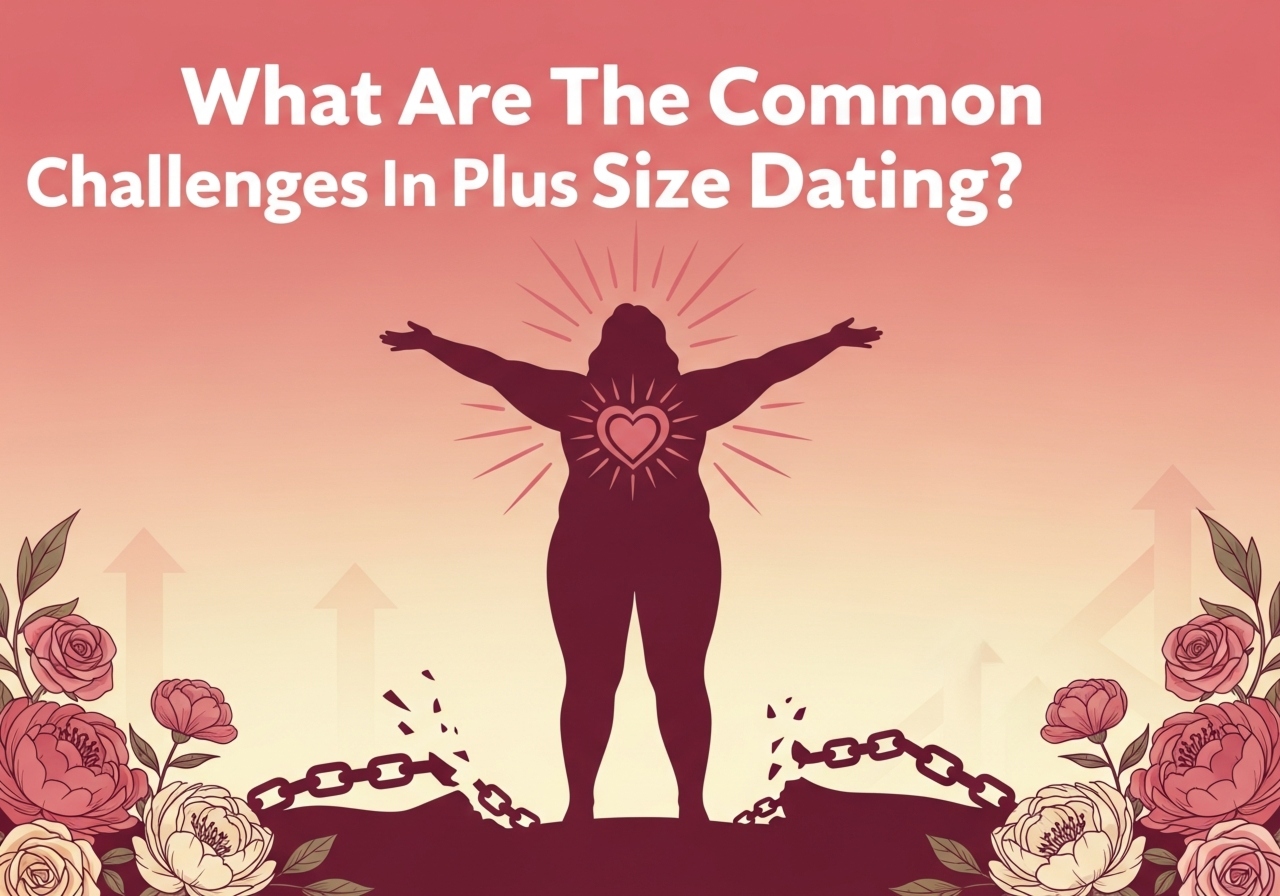
What Are The Common Challenges In Plus Size Dating?
You’re not alone in asking this question, and it helps to lay out the common obstacles so you can approach dating with more clarity and confidence. This article breaks down practical challenges plus size people often face and offers concrete ideas for navigating them.
Social Stigma and Weight Bias
Society frequently communicates messages about bodies that affect how people see you and how you see yourself. Weight bias can shape interactions, assumptions, and opportunities in dating settings, both online and in person.
What weight stigma looks like in dating
You might notice people making assumptions about your health, habits, or lifestyle based solely on size. Those assumptions can appear as microaggressions, backhanded compliments, or outright exclusion from dating pools.
How stigma affects your confidence
Repeated exposure to biased comments or silence can chip away at your self-worth and make you second-guess approaching new people. That can increase anxiety before dates and lead to avoiding dating situations entirely.
Internalized Fatphobia and Self-Talk
You likely internalize cultural messages about weight, even if you intellectually reject them. That internal conflict can lead to negative self-talk, self-sabotage, or a tendency to hide parts of yourself.
Recognizing internalized beliefs
Pay attention to phrases you tell yourself—if you expect rejection because of your size, that’s internalized bias at work. Noticing these thoughts is the first step to reframing and making choices that reflect your worth.
Reframing and self-compassion
You can practice compassionate self-talk and evidence-based reframing to counter negative assumptions. Small daily habits—affirmations, kindness-oriented self-talk, or therapy—can shift how you show up in dating situations.
Online Dating Specific Challenges
Online dating can amplify both positives and negatives: you can meet more people, but you may also encounter prejudice, fetishization, or lower response rates. The format of apps and sites often prioritizes quick visual judgments that can work against you.
Profile photos and body representation
Deciding whether to show photos that reveal your body can feel fraught. Showing authentic images tends to attract people who appreciate you as you are, while concealing can lead to mismatches and awkwardness later.
Messaging, ghosting, and rejection
You may experience more ghosting, hurtful comments, or people who only message to fetishize you. Setting boundaries, curating matches thoughtfully, and recognizing that other people’s behavior reflects them—not you—helps protect your emotional energy.
Dating app dos and don’ts for plus size daters
| Do | Don’t |
|---|---|
| Use clear, flattering photos that feel authentic to you. | Crop out your body in all photos to “hide” your size; it sets up mistrust later. |
| Write a profile that highlights personality, interests, and values. | Rely solely on body-focused descriptors like “curvy” without context. |
| Set filters and preferences for respectful, compatible matches. | Put up with rude or fetishizing messages because you want validation. |
| Call out disrespectful behavior and block or report as needed. | Engage in arguments with people who are being intentionally hurtful. |
Fetishization and Objectification
Being fetishized—treated as a sexual object rather than a full person—can be confusing and painful. You deserve relationships where physical attraction coexists with respect, curiosity, and emotional connection.
Recognizing fetishization versus genuine interest
If someone’s first comments focus only on your body in a sexualized, demeaning, or insistent way, that can be a red flag. Genuine interest includes asking about your life, values, and experiences, not just your appearance.
Setting boundaries and communicating needs
You can be direct about what you’re comfortable discussing and receiving. Phrases like “I want to connect beyond just my body” or “That comment makes me uncomfortable” help define acceptable behavior early on.
Attraction, Preferences, and Rejection
Attraction is subjective, and people have preferences shaped by social forces as well as personal taste. While some preferences are legitimate, others are rooted in stigma or misinformation.
Understanding and responding to preference-based rejection
If someone says they’re “not into plus size,” that’s a preference—but you don’t need to personalize or internalize it. Respect your boundaries and seek partners who are attracted to the whole you.
Communicating your own preferences
Be honest about what you want and what you won’t tolerate. Clear communication prevents mismatches and helps you find more meaningful connections faster.

Physical Intimacy and Sex
Sex, touch, and physical closeness are often influenced by confidence, knowledge, and partner education. Misconceptions can create awkwardness or discomfort for both partners.
Talking about sex and your body
You can guide sexual situations by being clear about comfort, positions you like, and any care considerations. Open, nonjudgmental conversation improves intimacy and reduces anxiety.
Practical considerations during intimacy
You may want to discuss things like comfortable surfaces, pace, or positions ahead of time. Emphasize pleasure and communication rather than perfection or performance.
Health, Fitness, and Misconceptions
People often conflate size with health, which creates pressure and judgment you don’t deserve. Health is multifaceted and can’t be reduced to a number on a scale.
Separating health from appearance assumptions
You can pursue health goals on your own terms while resisting the idea that smaller bodies are inherently healthier. Medical professionals, not strangers, should be the source of health conversations.
Speaking to partners about health without shame
If health conditions affect dating or intimacy, you can bring them up honestly when relevant. Framing these conversations around practical needs—such as medication schedules or accessibility—keeps the discussion grounded.
Fashion, Grooming, and Presentation
Clothing and grooming are tools for expressing who you are, not obligations to meet others’ expectations. Finding styles that make you feel confident affects how you show up on dates.
Finding clothing that fits and flatters
Look for brands and stores that cater to a wide range of sizes and styles. Fit, comfort, and personal expression matter more than following narrow fashion trends.
Grooming, self-care, and comfort
You might feel pressure to over-explain your style choices or to conform to certain looks. Choose grooming routines that make you feel comfortable and attractive for yourself.
Social Spaces and Venue Comfort
Physical environments—seating, bathrooms, steps—can make dating logistically easier or harder. Choosing inclusive spaces reduces friction and stress during a date.
Choosing venues that respect comfort
Select cafes or restaurants with comfortable seating, accessible restrooms, and a welcoming atmosphere. If you’re unsure about a place, suggest alternatives where you’ll feel safe and relaxed.
Travel, seating, and venue design considerations
Consider transport time, parking, and how busy a venue will be when planning a date. Practical details like seating size, booth style, and noise level are worth discussing if they affect comfort.
Financial and Logistical Costs
Clothing, travel, tickets, and grooming can be more expensive when you need specialty or extended-size options. This can affect your dating budget and planning.
Budgeting for dating as a plus size person
Factor in costs for outfits that fit well, occasional specialty purchases, or choosing venues that are accessible but affordable. Communication about who pays and how to split costs can reduce stress.
Practical tips to reduce financial strain
You can rotate outfits, shop sales or secondhand stores, and plan low-cost dates that still feel thoughtful. The emotional value of a date often comes from connection, not price.
Intersectionality: Race, Disability, LGBTQ+, and Age
Your experiences are shaped by multiple aspects of identity simultaneously. Race, disability, sexual orientation, age, and socioeconomic status change how you experience plus size dating.
Overlapping identities change dating dynamics
A plus size person who is also part of a racial minority or who has a disability may face compounded bias or different fetishization dynamics. Awareness helps you anticipate and address unique challenges.
Tailoring your approach to your intersecting identities
Find communities and dating spaces where your intersecting identities are recognized and respected. That might mean niche dating apps, local groups, or social events with inclusive policies.

Family, Friends, and External Pressure
You might face family or friend comments about dating choices, weight, or “settling.” These external voices can feel intrusive and undermine your confidence.
Managing unsupportive commentary
You can set boundaries with people who critique your dating life or body. Simple lines like “I appreciate your concern, but I’m happy with my choices” can redirect conversations.
Finding supportive social networks
Cultivate friends who affirm your worth and respect your choices. Supportive relationships outside dating provide perspective and emotional backup.
Safety, Harassment, and Boundaries
You deserve safety physically and emotionally. Whether you meet someone online or in person, proactive safety measures help you protect yourself.
Online safety best practices
Verify identities, meet in public places, tell a friend where and when you’ll meet, and use app safety features. Trust your instincts and don’t be pressured into situations that make you uncomfortable.
Recognizing red flags and taking action
Threats, coercion, or controlling behavior are serious and should be addressed immediately by ending contact and seeking help. Keep evidence of harassment and report it to platforms or authorities as needed.
Communication and Setting Expectations
Clear communication helps avoid misunderstandings and ensures both people feel respected. Honesty early on prevents mismatches and supports more meaningful connections.
How to have early conversations about bodies and needs
You can frame conversations about body and comfort in neutral, practical terms—e.g., “I’m most comfortable in X setting” or “I’d like to plan something that includes comfortable seating.” This centers mutual care rather than defensiveness.
Using “I” statements and constructive language
Say what you need without blaming: “I feel more relaxed when…” keeps the focus on your experience and invites collaboration. That approach tends to be heard and respected.
Mental Health, Therapy, and Support
Dating often triggers insecurities, anxiety, or past trauma, and professional support can help you process these feelings. Therapy and peer support normalize your experience and build resilience.
When to seek professional help
If dating-related anxieties significantly affect your daily life or you experience symptoms of depression, a therapist can provide tools to cope. Look for clinicians experienced in body image, trauma, or LGBTQ+ and intersectional issues if relevant.
Peer groups and support networks
Support groups, online forums, and body-positive communities provide practical advice and emotional solidarity. These networks offer stories, resources, and strategies that you can adapt for your own life.
Community, Resources, and Positive Spaces
Finding communities that celebrate your body and attract people who value you helps you date from a place of strength. Positive spaces model the kind of respect you should expect from partners.
Finding inclusive events and groups
Look for meetups, dating events, or social groups that state an inclusive or body-positive mission. These spaces often attract people who are already aligned with your values.
Online resources and educational materials
Podcasts, books, blogs, and social media creators focused on body positivity and plus size dating can provide language, tools, and perspective. Use these resources to educate yourself and potential partners.
| Resource Type | Examples | How They Help |
|---|---|---|
| Community meetups | Local body-positive groups, plus size social events | Meet people in supportive settings where shared values matter |
| Therapy and counseling | Body image specialists, sex therapists | Address trauma, anxiety, and intimacy questions with professional support |
| Media and education | Podcasts, books, workshops | Learn communication strategies, self-care, and dating skills |
| Dating platforms | Apps with inclusive filters, plus size-specific communities | Increase chances of meeting people who are openly respectful and attracted to you |
| Advocacy groups | Size acceptance organizations | Access resources, policy information, and connections to allies |
Practical First-Date Tips
Planning a first date is a chance to show personality and ensure comfort. Small details and clear communication can reduce stress and increase enjoyment.
Choosing a location and time that work for you
Pick places where you know the seating and accessibility are comfortable, and choose times that fit your energy levels. If you prefer shorter first meetings, suggest coffee or a walk before committing to a long evening.
Conversation starters and setting the tone
Ask about passions, recent reads, travel stories, or funny anecdotes instead of focusing on appearance. Early conversation topics that emphasize values and humor create a relaxed atmosphere.
Managing nerves and practical logistics
Do a quick check-in with yourself before the date—hydration, a calming routine, and a backup plan if things go awry. Bring a small safety item like a phone charger or a friend who can check in after the date.
Long-Term Relationship Considerations
Sustained partnerships require ongoing communication, evolving intimacy, and mutual growth. You want a partner who supports your life and learns with you.
Building body-positive intimacy over time
As trust grows, talk about how you want to be touched, admired, and supported. Celebrate small changes and be patient as both of you learn what works best.
Addressing changes in body and health through partnership
If your body or health needs change, treat them as shared challenges rather than a personal failing. Partner collaboration—adjusting activities, supporting medical care, and offering empathy—keeps the relationship resilient.
Red Flags and Healthy Relationship Indicators
You deserve consistent respect, curiosity, and safe expressions of attraction. Recognizing early warning signs helps you protect yourself and choose relationships that stretch toward partnership, not control.
Common red flags in dating
Gaslighting, persistent fetishizing, dismissing boundaries, or pressuring you to change are serious signs to step back. If an interaction leaves you feeling shamed or minimized, that’s important data about compatibility.
Signs of a healthy, respectful connection
A partner who listens, apologizes when wrong, respects boundaries, and is curious about your life indicates a strong foundation. Emotional labor should be shared rather than expected solely from you.
Practical Tools and Conversation Scripts
Having a few go-to lines for awkward moments reduces stress and helps you communicate clearly. Scripts can feel rehearsed at first but quickly become natural.
Examples of respectful boundary-setting lines
- “I prefer not to discuss my body in detail; let’s talk about our interests.”
- “I’m uncomfortable with that tone—can we shift the conversation?”
- “I appreciate compliments, but I’m looking for someone who values all parts of me.”
Ways to respond to fetishizing comments
- “That focus on my body feels objectifying to me.”
- “I’m looking for connection beyond physical remarks.”
- “If you’re attracted to me, tell me what else you like about me.”
Building Confidence and Presence
Confidence in dating comes from skills, practice, and self-acceptance rather than fitting someone else’s mold. Your presence—how you carry yourself—signals self-respect and attracts partners who value it.
Small practices that support confidence
Practice posture, eye contact, and conversational curiosity. Celebrate small wins—good dates, clear boundaries, honest conversations—to reinforce your sense of agency.
Rituals before a date
Create a short ritual that puts you in a grounded place: favorite music, a brief walk, or journaling three things you like about yourself. These rituals reduce pre-date anxiety and center your priorities.
Practical Checklist Before a Date
A quick checklist helps you prepare practically and emotionally so you can enjoy the experience.
- Confirm time, place, and transportation.
- Choose an outfit that fits and makes you feel confident.
- Share your plans with a friend and set a check-in time.
- Think of 2–3 topics you enjoy talking about.
- Pack a small comfort item or emergency kit (phone charger, band-aid, etc.).
Final Thoughts
Dating as a plus size person brings challenges shaped by social stigma, safety concerns, and practical logistics, but it also offers opportunities for meaningful connection and personal growth. You can approach dating with tools, boundaries, and communities that reflect your needs and values.
Remember that your worth isn’t negotiable and that the right people will value your whole self. With clear communication, supportive resources, and self-compassion, you can create dating experiences that feel respectful, joyful, and authentic.