
Have you ever noticed how two people can both say they’re “dating” yet mean completely different things?
What Is The Difference Between Casual Dating And Serious Dating?
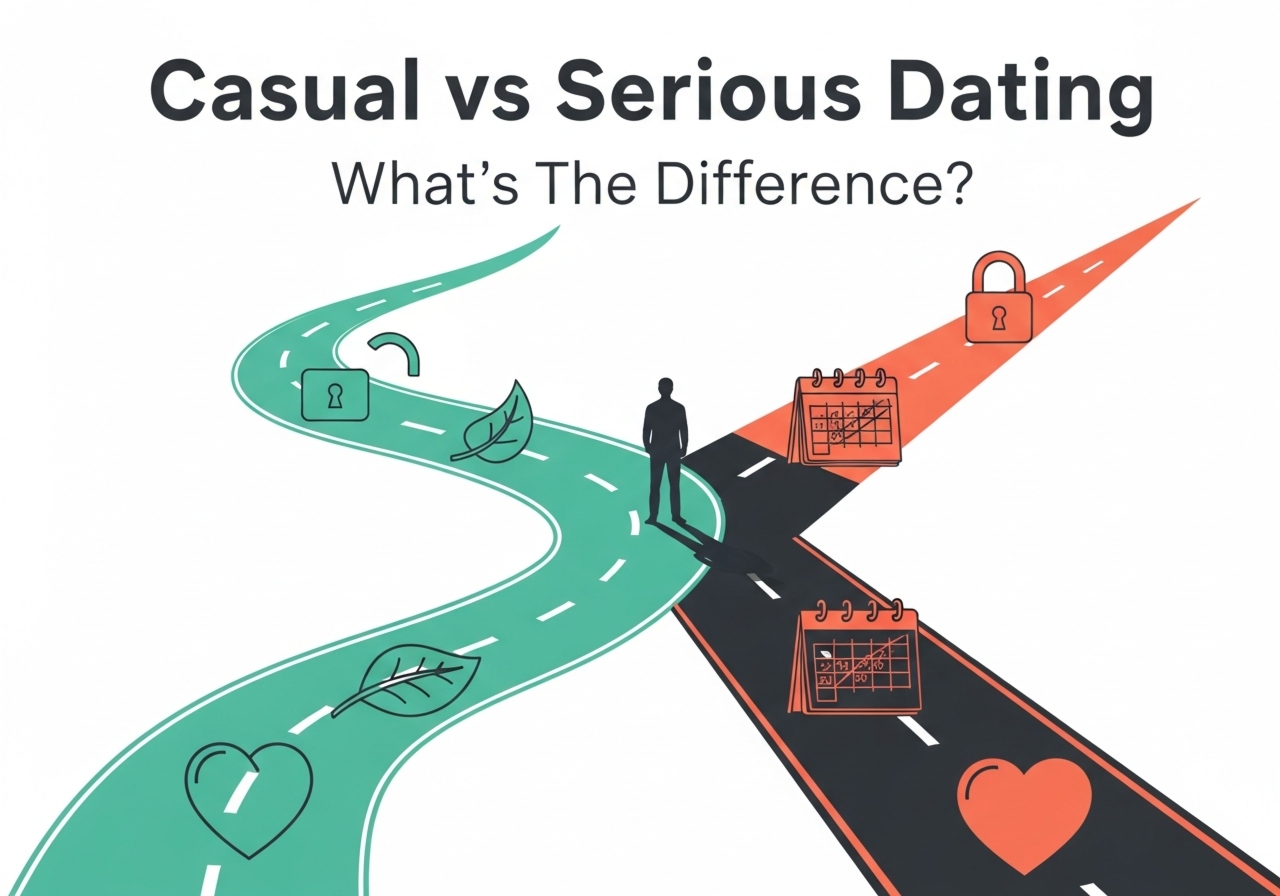
You’ll find that dating exists on a spectrum, and the terms “casual” and “serious” describe different places on that spectrum. Understanding those differences will help you set clearer expectations, avoid confusion, and make better choices for your emotional well-being.
Why this distinction matters
You deserve clarity so your time and feelings aren’t unintentionally misaligned with someone else’s. Knowing the core differences helps you communicate needs, recognize when to set boundaries, and decide whether a relationship meets your goals.
Core definitions
What casual dating means
Casual dating usually involves low levels of commitment, flexibility, and often fewer expectations about the future. You might be seeing several people at once, prioritizing fun, companionship, or physical intimacy without planning long-term life integration.
You’ll notice casual dating emphasizes present-oriented enjoyment and often avoids labels like “partner” or “boyfriend/girlfriend.”
What serious dating means
Serious dating moves toward commitment, shared future planning, and often exclusivity. You’re more likely to integrate lives, meet each other’s friends and family, and make decisions that affect both of you.
You’ll find the emotional investment is higher, conversations about long-term goals happen, and roles and expectations become clearer.
Quick comparison table
| Area | Casual Dating | Serious Dating |
|---|---|---|
| Commitment level | Low, flexible | High, defined |
| Exclusivity | Often non-exclusive | Usually exclusive |
| Communication frequency | Irregular to moderate | Regular and intentional |
| Future planning | Rare | Common |
| Emotional intensity | Light to moderate | Stronger, deeper |
| Meeting family | Not typical | Common |
| Time investment | Variable | Regular, prioritized |
| Conflict handling | Avoidant or minimal | Engaged, resolve together |
| Label usage | Rare | Common |
| Living together/marriage | Unlikely | Potentially likely |
Signs you’re in casual dating
Infrequent planning
If your dates feel spontaneous and plans rarely involve more than a night out or a weekend activity, you’re probably in casual territory. That doesn’t mean you can’t have fun—just that long-term coordination is low priority.
Multiple partners
When either you or the other person is seeing other people with transparent understanding, that signals casual status. If exclusivity hasn’t been discussed, assume it might be casual.
Minimal emotional disclosure
Casual relationships often keep deep vulnerabilities private. Conversations stay lighter—hobbies, weekend plans, gossip—rather than childhood trauma or long-term fears.
Physical emphasis
Physical intimacy can be a focus without deep commitments. While sex doesn’t define casual dating, it’s often part of the dynamic without being linked to long-term intentions.
Flexible boundaries
Schedules and priorities override the relationship. Missing plans occasionally because of work, friends, or travel is more acceptable without damage to trust.
Signs you’re in serious dating
Future-oriented conversations
You’ll discuss where you see yourself in months or years, including career choices, moving, finances, or family planning. Those talks indicate mutual investment in a shared path.
Exclusivity and mutual agreements
When you agree with clear language—“We’re exclusive” or “We’re a couple”—you’re likely in a serious relationship. Both partners make decisions considering the other’s feelings and needs.
Emotional vulnerability
You share fears, past mistakes, and hopes. You support each other through setbacks and celebrate one another’s successes.
Regular rituals and routines
You might have weekly date nights, regular check-ins, or holidays planned together. Your time with each other becomes prioritized rather than optional.
Integration with broader life
Meeting family, connecting with close friends, and attending important events together are common in serious dating.
How communication differs
Casual: transactional and situational
You’ll talk about logistics—when to see each other, where to meet, and current interests. Emotional check-ins are infrequent and often surface-level.
You should still communicate boundaries, but clarity may be more limited and situational.
Serious: intentional and ongoing
You’ll have regular conversations about the relationship: needs, boundaries, future plans, and conflict resolution. Communication becomes a tool to align and deepen connection.
You’ll practice constructive feedback and express appreciation consistently.
Expectations and boundaries
Casual expectations
Expectations are minimal and often centered on consent and mutual enjoyment. You should be clear about whether exclusivity is assumed; if it isn’t discussed, don’t assume it.
Set boundaries around time, emotional energy, and sexual health. Clarify whether breakup conversations will be blunt or gentle—either approach should be respectful.
Serious expectations
Expectations include reliability, emotional availability, and shared decision-making. You’ll negotiate roles like financial contribution, household chores, or support during stress.
Boundaries remain vital: you should still communicate needs for alone time, personal space, and independent friendships.
Transition: when casual becomes serious
Signs of transition
You notice increased contact, more planning, deeper conversations, and a desire to see each other consistently. You may begin meeting each other’s friends and family.
When you both start making sacrifices for one another or include each other in plans farther out, the relationship is moving toward serious.
How to manage the transition
Have an open conversation. Ask clear questions like, “How do you feel about exclusivity?” or “Where do you see us in six months?” Express your needs and listen without assuming mutual understanding.
Document or summarize agreements if that helps you both internalize them, for example: “So we’re agreeing to be exclusive and plan two date nights a month.”

Emotional investment and attachment
Casual emotional patterns
Attachment can be light; you enjoy the person without deep entanglement. You might feel more resilient to changes because expectations are lower.
Nevertheless, you can still become emotionally attached, which can complicate casual arrangements if the other person remains detached.
Serious emotional patterns
Attachment deepens and becomes mutual support. You’re likely to feel more secure, but you also risk greater hurt if the relationship breaks. Emotional labour increases because both partners rely on each other more.
You should evaluate emotional readiness before entering serious dating, especially if you bring unresolved issues from past relationships.
Time and energy commitment
Time in casual relationships
You control your availability closely and prioritize other obligations when needed. Casual dating typically requires less consistent availability.
You’ll balance multiple commitments including friends, hobbies, and maybe other dates.
Time in serious relationships
You invest time intentionally—regular hangouts, shared activities, and long-term planning. Time becomes a resource you allocate to build a shared life.
You’ll likely coordinate schedules and make compromises to maintain balance.
Sexual expectations and health
Casual dating and sex
Sex in casual dating can be enjoyable without expectations of commitment. Clear communication about consent, protection, and sexual health testing is essential.
Discuss frequency, protection preferences, and whether sex establishes any deeper status for either of you.
Serious dating and sex
Sex may become integrated into emotional intimacy and often carries expectations of exclusivity or monogamy. Conversations about sexual satisfaction and safety become part of relationship maintenance.
You should still prioritize regular sexual health checks and honest discussions about needs.
Conflict management
Casual conflict handling
Conflicts may be minimized, avoided, or resolved with temporary fixes. Because emotional stakes are often lower, you might walk away sooner or accept unresolved issues.
You should consider whether recurring disagreements indicate a mismatch in values or needs.
Serious conflict handling
You’ll face conflicts together, seeking solutions and compromise. Healthy serious relationships use conflict as growth opportunities, practicing empathy and active listening.
If unresolved patterns persist, consider relationship counseling or structured communication exercises.
Ending a casual relationship vs. a serious one
Casual breakups
Breakups tend to be quicker and straightforward, though they can still hurt. You might stop communicating or have a one-time conversation to clarify the end.
Be clear, respectful, and honest. If you know you’ll struggle with continued contact, set boundaries early.
Serious breakups
Serious breakups are usually more complex and painful. You’ll need time to disentangle shared lives—finances, living situations, mutual friends.
Plan logistical steps gently (who keeps what, where you’ll live) and allow both of you space for emotional processing.
Boundaries you should set in either type of dating
Clear communication about exclusivity
Ask directly about seeing other people and be ready to give a clear answer. Vagueness causes misunderstandings and emotional harm.
State your needs: “I’m only comfortable seeing one person at a time” or “I’m not ready to be exclusive right now.”
Emotional boundaries
Define how much you want to share and when. If you want to keep things light, say so. If vulnerability is important, ask for mutual openness.
Respect each other’s comfort levels and revisit boundaries as the relationship changes.
Practical boundaries
Decide on money, travel, living arrangements, and social expectations early. These practical items often become sources of tension if left unaddressed.
If one partner expects shared expenses and the other doesn’t, conflict can build quickly.
Moving from casual to serious: a practical checklist
- Talk openly about exclusivity and timelines.
- Share personal values and long-term goals.
- Meet important people in each other’s lives.
- Align expectations about time, finances, and living arrangements.
- Decide how you’ll handle disagreements and what support you expect.
- Re-evaluate boundaries and consent as intimacy grows.
This checklist helps you both monitor whether the relationship shift is mutual and healthy.
Red flags in both casual and serious contexts
Red flags in casual dating
- Dishonesty about seeing others when asked directly.
- Repeated disrespect of your time or boundaries.
- Pressure for sex or activities you’re not comfortable with.
- Ghosting or evasive communication after intimate interactions.
If any of these occur, protect your emotional and physical safety.
Red flags in serious dating
- Controlling behavior or isolation from friends and family.
- Financial secrecy or manipulation.
- Emotional abuse, gaslighting, or patterns of disrespect.
- Consistent refusal to discuss future plans or commitment despite promises.
Take red flags seriously; prioritize safety and consider professional support when needed.

Benefits and drawbacks of casual dating
Benefits
- Flexibility and freedom to explore.
- Less pressure and quicker emotional recovery for some.
- Opportunities to learn about preferences and dealbreakers.
Drawbacks
- Emotional confusion when attachments form unevenly.
- Potential for hurt if assumptions about exclusivity differ.
- Less stability when you want a committed partnership.
Weigh these based on your current life stage and emotional readiness.
Benefits and drawbacks of serious dating
Benefits
- Stability and mutual support over time.
- Deeper intimacy, trust, and shared accomplishments.
- Clearer life planning and partnership benefits.
Drawbacks
- Greater vulnerability to pain if the relationship ends.
- Increased obligations and compromises that can feel restrictive.
- Potential for codependency if boundaries are weak.
Choose what aligns with your values and long-term goals.
Cultural and generational influences
How culture affects definitions
Different cultures emphasize marriage, family involvement, or community approval more heavily. In some societies, serious dating quickly leads to engagement; in others, prolonged casual dating is the norm.
Be aware of cultural expectations, especially when dating across backgrounds.
Generational trends
You might notice younger generations often accept casual dating and nontraditional arrangements more readily. At the same time, many young people still seek serious commitment but postpone it for education or career reasons.
Your generational context shapes how you interpret dating signals and timelines.
Online dating and the casual vs. serious divide
Profile signals and language
Profiles often indicate intent—phrases like “not looking for anything serious” or “looking for a relationship” help set expectations. Read profiles carefully and ask questions to clarify.
Communication etiquette
When you match, ask about intentions early. That saves time and emotional investment by weeding out mismatched expectations.
Online dating can facilitate both casual and serious relationships, depending on your honesty and consistency.
How to have the conversation about seriousness
When to bring it up
Bring it up when you notice consistent signals: more frequent contact, shared plans, or increasing emotional reliance. Don’t wait too long—clarity prevents misaligned expectations.
How to say it
Use non-accusatory language. Try statements like:
- “I enjoy spending time with you and would like to know how you’re feeling about us.”
- “I’m interested in being exclusive—how do you feel about that?”
- “I want to understand if we’re on the same page about future plans.”
Listen actively and be prepared for honest answers, even if they don’t match your hopes.
How to respond to “not ready”
If the other person says they’re not ready to be serious, decide whether casual dating without the promise of future commitment works for you. If it doesn’t, be prepared to step away for your own well-being.
Questions to ask yourself before choosing casual or serious
- What are your long-term relationship goals?
- How much emotional availability do you currently have?
- How important is exclusivity to your sense of security?
- Are you ready to compromise on time, finances, or lifestyle?
- Do you have past emotional baggage that might affect your choices?
Answering these honestly helps you make intentional decisions.
Sample conversation scripts
Turning a casual relationship into a discussion
“You’ve become important to me lately. I want to know how you feel about making this more committed. Are you open to talking about exclusivity and what that would look like for us?”
Asking for clarity early
“I’m enjoying our time, but I’d like to be clear about intentions. Are you dating other people, or do you see us as exclusive?”
Saying no to seriousness
“I care about you, but I’m not ready for a serious relationship right now. I want to be upfront so neither of us gets hurt.”
Use your own voice, but these scripts can reduce anxiety and increase directness.
When professional help matters
Couples counseling for serious relationships
If communication patterns or conflict escalate, couples counseling helps build tools for healthier interaction. Therapists can guide you through trust, finances, and long-term planning.
Individual therapy for dating clarity
If you repeatedly choose mismatched partners or feel uncertain about your attachment style, individual therapy can illuminate patterns and help you shift towards healthier choices.
Seeking help is a strength that improves relationship outcomes.
Case studies and examples
Case 1: Sarah and a casual mismatch
You might be Sarah—enjoying weekend dates, but after months you want exclusivity. When you ask, the other person is blunt that they’re not ready to commit. You decide to end the casual setup and seek a partner aligned with your goals.
Lesson: Clarify sooner rather than later to avoid investment in a non-mutual outcome.
Case 2: Jordan and the gradual shift
You’re Jordan—initially casual, then start seeing the same person more often. You both begin meeting friends and discussing career plans. One conversation about timelines leads to mutual exclusivity and a transition into a serious relationship.
Lesson: Mutual communication can guide a healthy transition.
Final recommendations
- Be explicit about what you want early to avoid wasted emotional energy.
- Respect your boundaries and enforce them consistently.
- Practice empathetic listening when someone shares their intentions.
- Reassess relationships regularly to ensure alignment with your evolving goals.
- Prioritize safety, honesty, and mutual respect in both casual and serious contexts.
Frequently asked questions
Can casual dating become serious?
Yes. It often depends on mutual willingness to increase emotional investment, agree on exclusivity, and align long-term goals.
Is it wrong to prefer casual dating?
No. Your preferences are valid as long as you are honest with partners and respectful of boundaries and consent.
How long should you wait before asking about exclusivity?
There’s no fixed timeline. If you feel consistent emotional investment over several weeks to a few months, it’s reasonable to ask. Trust your comfort level.
How do you know when to leave a relationship?
If your needs are consistently unmet, boundaries are disrespected, or you feel unsafe, it’s time to reevaluate. Chronic mismatch in values or goals often signals the need to leave.
Conclusion
You deserve relationships that match your needs and values. Whether you prefer casual dating’s flexibility or serious dating’s stability, clarity and honest communication should guide your choices. By recognizing the signs, asking the right questions, and setting boundaries, you’ll create dating experiences that support your emotional health and long-term goals.