
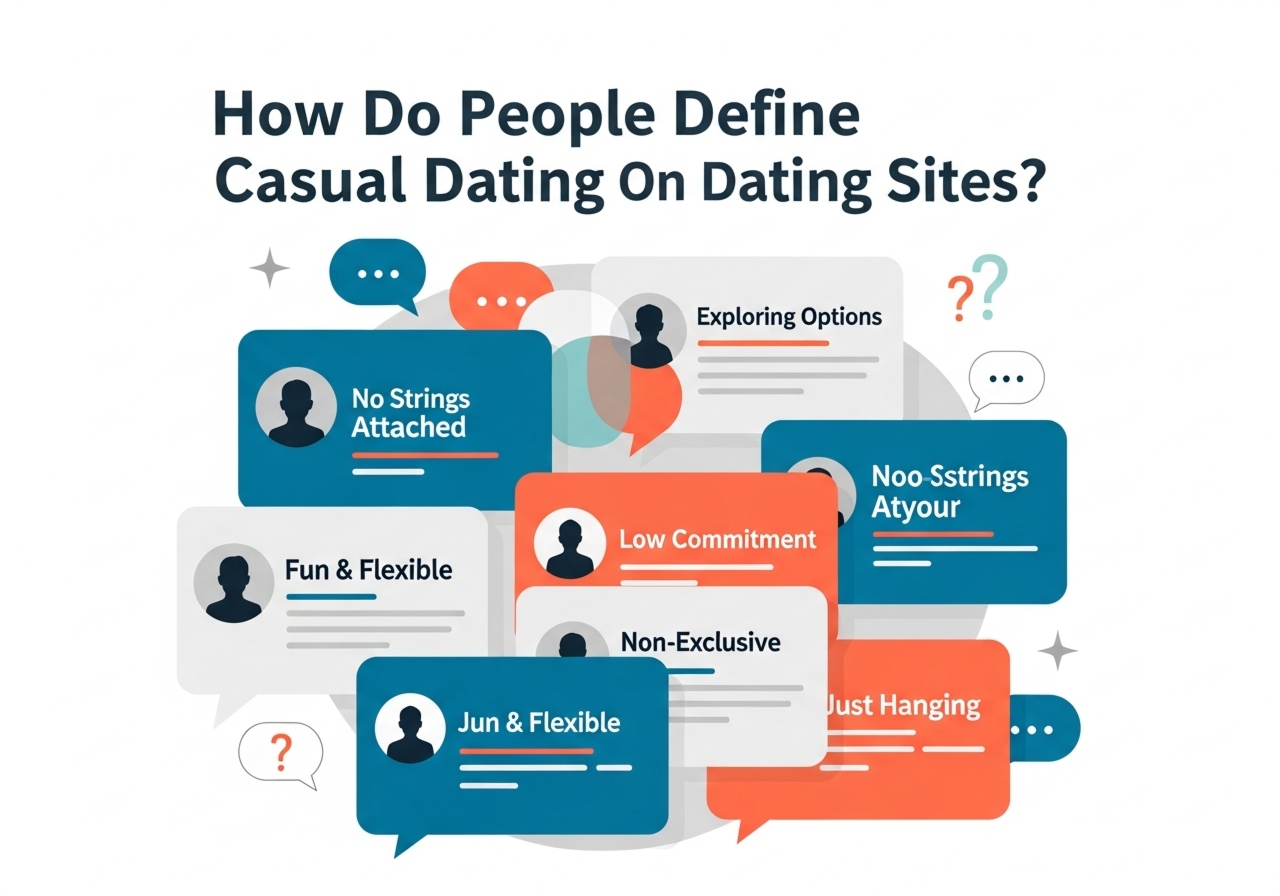
Have you ever wondered how people actually define casual dating on dating sites and what that might mean for you?

How Do People Define Casual Dating On Dating Sites?
This question sits at the center of many online interactions, and the answer can vary a lot depending on who you ask. You’ll find a range of definitions based on personal needs, cultural background, platform design, and communication style.
Introduction: Why definition matters
Understanding what casual dating means to other people helps you set expectations and avoid misunderstandings. If you want your time on dating apps to be efficient and emotionally safe, getting clear on terminology and typical behaviors is a good first step.
What is casual dating?
Casual dating is a form of romantic or sexual interaction that lacks an expectation of long-term commitment or exclusivity. It usually emphasizes short-term connection, fun, mutual attraction, or companionship without the responsibilities or labels of a committed relationship.
Core features of casual dating
There are several recurring elements that many people associate with casual dating. You’ll typically see flexibility in scheduling, minimal or non-exclusive emotional obligations, and an emphasis on mutual consent for activities without future planning.
Common types within casual dating
Casual dating isn’t one-size-fits-all. It can range from light flings and friends-with-benefits arrangements to dating that’s casual temporarily while someone is focusing on work or personal growth. Your approach might be different depending on whether you want companionship, sex, or companionship with occasional intimacy.
Casual dating versus other relationship types
It helps to contrast casual dating with related categories so you can easily spot differences and communicate more clearly.
| Relationship Type | Commitment Level | Emotional Expectations | Typical Duration | Common Goal |
|---|---|---|---|---|
| Casual Dating | Low to none | Low to moderate | Short-term to medium-term | Fun/companionship/no long-term plan |
| Hookup | Very low | Minimal | Single encounter or brief series | Physical intimacy |
| Friends with Benefits (FWB) | Low | Moderate (friendship) | Medium-term | Sex + friendship without romance |
| Exclusive Dating | Moderate | Increasing | Medium-term | Test for long-term potential |
| Committed Relationship | High | High | Long-term | Partnership, shared future |
You’ll notice overlap across categories, but the distinctions above can guide how you phrase your profile and how you interpret others’ profiles.
How people define casual dating on dating sites
When people define casual dating on profiles, they typically use explicit phrases or contextual cues. Some users write short direct statements like “casual dating only,” while others imply it through lifestyle descriptions and listed intentions.
Profile phrases and their common meanings
Profiles often use shorthand to communicate intent. For example, “not looking for anything serious” is widely understood as a casual stance. But meanings can differ across regions, genders, and age groups, so it’s useful to clarify early in conversation.
Non-verbal cues in profiles
Photos, listed hobbies, and message tone also signal casual intent. You might see more solo travel photos, nightlife imagery, or frequent reference to spontaneity in profiles that lean casual. Conversely, family photos or “future-oriented” phrases often indicate interest in long-term relationships.
Platform differences: how dating apps shape definitions
Different apps encourage different relationship goals, and that influences how users define casual dating on those platforms. The site culture and UI tools like preference toggles or badges matter.
| Platform | Typical Use Cases | Casual Dating Signals |
|---|---|---|
| Tinder | Quick matching, casual and varied | Short bios, “casual” tags, frequent “swipe” culture |
| Bumble | Empowerment & safety, mixed goals | Women often state intentions; some casual, some serious |
| OKCupid | Prompts & detailed profiles | Explicit intention settings, nuanced labels |
| Hinge | Relationship-oriented by design | People often say “looking for friends or something casual” less frequently |
| Feeld | Alternative relationships & open arrangements | Explicit non-monogamy and casual labels are common |
You’ll find that people on apps geared toward hookups or broad matching are more likely to define casual dating explicitly, while those on relationship-oriented platforms may lean toward exclusivity.
Why people choose casual dating
People come to casual dating for many reasons, and understanding those motivations helps you interact with honesty and respect.
Common motivations
- You might want companionship without commitment while focusing on career or study.
- You could be recovering from a breakup and prefer no strings attached.
- Sexual exploration and curiosity are legitimate reasons to seek casual dates.
- You might be testing compatibility without escalating emotional investment immediately.
Life stage and situational factors
Your age, current life responsibilities, and social context influence whether casual dating feels right. Students and young professionals often prefer flexibility, while someone in a transitional life phase (moving cities, parenting, travel) might want casual arrangements temporarily.
How users express casual intent in profiles and messages
Getting clear signals early reduces mismatched expectations. Many users include short, explicit phrases in profiles or use specific messaging strategies.
Profile phrasing examples
You can use straightforward statements like “open to casual dating” or “looking for something low-pressure.” If you prefer a softer approach, try a sentence that implies flexibility: “Enjoy meeting new people and seeing where things go.”
Messaging strategies
In conversation, you should ask about expectations early and kindly. Sample lines:
- “I’m enjoying meeting people and keeping things low-pressure right now. What are you looking for?”
- “I’m not seeking an exclusive relationship at the moment—are you open to casual dating?”
Clear, respectful questions save time and emotional energy for both parties.
Signals to look for that someone wants casual dating
If you want to identify casual daters, pay attention to language, behavior, and scheduling patterns.
Common profile and behavior signals
- Phrases: “Not looking for anything serious,” “open to casual,” “having fun,” “NSA.”
- Messaging: Rapid small talk without future planning, late-night conversation focus, infrequent scheduling in advance.
- Interactions: Meetings limited to nights out or short-term travel, reluctance to meet friends or family.
When signals are ambiguous
Some people are inconsistent because they’re unsure or testing reactions. When in doubt, you should ask directly and respectfully to avoid assumptions.
Setting expectations and consent
Consent and clear expectations are crucial in casual dating. You’re responsible for creating an environment where both parties feel safe and understand boundaries.
How to set expectations early
State your intentions in your profile and repeat them in initial conversations. Ask the other person what they want and listen. Reiterate practical matters like exclusivity, frequency, and safe sex practices.
Consent and ongoing communication
Consent isn’t just a one-time check — it’s a continuous conversation. You should ask for verbal or clear affirmative consent before sexual activity and check in if boundaries shift.
Safety, health, and ethical considerations
Casual dating can be fulfilling, but you’ll want to take precautions for physical and emotional safety.
Physical safety practices
- Meet in public places initially and tell someone you trust where you’ll be.
- Use transportation you control so you can leave when you want.
- Practice safer sex — discuss STI testing and use protection as appropriate.
Emotional safety practices
- Check in with yourself about whether casual arrangements are still working for you.
- Avoid relying on casual partners for deep emotional needs if you’re not both on the same page.
- Be honest rather than ghosting; respect and clear communication protect both parties.
Managing expectations around exclusivity and attachment
People often confuse casual dating with implicit expectations of exclusivity or long-term potential. If you want to prevent hurt feelings, handle these topics head-on.
How to discuss exclusivity
Ask directly: “Are we seeing other people?” or “Do you prefer to keep things open or go exclusive?” You should communicate your boundaries and listen to the answer without pressuring the other person.
When feelings change
If you begin to develop stronger feelings, you’re responsible for communicating that shift. Likewise, if someone else develops feelings, they should let you know so you can renegotiate or part ways amicably.

Common profile phrases and what they usually mean
Profiles use shorthand that can be interpreted differently. The table below lists common phrases and their typical meanings so you can translate profiles more reliably.
| Phrase | Common Interpretation | What to Confirm |
|---|---|---|
| “Not looking for anything serious” | Prefers casual or short-term interactions | Whether exclusivity or emotional attachment is expected |
| “Open to something casual” | Willing to meet for non-committed dating | Frequency of contact, sexual expectations |
| “NSA” (no strings attached) | Hookups or sexual encounters without emotional commitment | Safety practices, frequency, whether friends first |
| “Looking for friends first” | Preferences for slower-building relationships | Whether the other person is open to casual sex or just platonic |
| “No hookups” | Prefers a relationship trajectory or emotional connection | What level of physical intimacy is acceptable |
| “LTR” (looking for long-term relationship) | Seeks exclusivity and commitment | Whether they’re open to casual dating at all |
Always confirm through conversation since these phrases can vary based on cultural or personal usage.
Communication scripts and examples
If you need practical templates to set expectations, these can be helpful. You should adapt them to your personal style and be honest.
Asking about intent
- “I enjoy low-pressure dating right now and am meeting people casually. How do you feel about that?”
- “I’m not ready for anything exclusive, but I’m open to seeing where things go. Are you on the same page?”
Clarifying boundaries
- “I’m comfortable with casual dating, but I’d prefer we discuss STI testing and use protection each time.”
- “I like spending time together but I’m not ready to meet family or be public about us. Is that okay with you?”
Saying no or ending things respectfully
- “I had a nice time, but I’m looking for something more casual and it sounds like you want exclusive. I think it’s best we part ways amicably.”
- “Thanks for being honest — I don’t think we’re on the same page about this, and I prefer to stop seeing each other before feelings get involved.”
Emotional risks and how to manage them
Casual dating can produce unexpected emotional attachment. You should monitor your feelings and have strategies to manage them.
Signs you may be getting attached
- You feel upset when plans are canceled or if they see others.
- You find yourself seeking reassurance more often.
- You imagine a future with them even though the arrangement was casual.
What to do if you’re getting attached
- Pause and reflect on what you want.
- Communicate your feelings honestly and ask whether they’re open to more.
- If they’re not, decide whether you can tolerate the arrangement or if you should step back.
When casual becomes serious: transition strategies
If you want to move from casual to committed, there are respectful ways to make that transition.
How to bring it up
Choose a calm time to talk and express your feelings without pressure: “I’ve enjoyed what we have and realized I’m interested in something more serious. How do you feel about that?”
Negotiation and mutual decision-making
You should discuss exclusivity, time commitment, and shared goals. If you both agree, set a reasonable timeline for adjusting expectations and clarifying what exclusivity means for each of you.
Cultural, gender, and age differences in definitions
People’s background influences how they see casual dating. You should remain aware that cultural norms and gendered expectations shape behavior and language.
Age-related patterns
Younger adults often view casual dating as experimentation and social exploration. Older adults might prefer clear boundaries due to childcare, work, or emotional investment.
Gendered perceptions
Research and anecdotal evidence indicate that people sometimes report different comfort levels or expectations about casual dating. You should avoid assuming intentions based on gender alone and instead ask directly.
Cultural and regional differences
Attitudes toward casual dating vary widely across cultures and regions. Some cultures stigmatize casual sex; others are more permissive. If you’re interacting across different cultural backgrounds, you should prioritize clear communication and cultural sensitivity.
Common misunderstandings and how to avoid them
Miscommunication is the main cause of hurt feelings in casual dating. You can prevent many issues by using explicit language, listening carefully, and avoiding assumptions.
Frequent missteps
- Assuming exclusivity without discussion.
- Relying on ambiguous phrases instead of direct talk.
- Ghosting instead of giving notice when boundaries or interest change.
Better approaches
- Say what you mean and mean what you say.
- Re-confirm expectations periodically.
- Choose respectful endings when interest fades.
Ethical considerations: respect, honesty, and fairness
You owe people honesty and respect in casual arrangements just as you would in committed ones. Ethical behavior includes transparent intent, consent, and not misrepresenting your status (e.g., being monogamous if you claim to be).
Fairness in casual dating
Be mindful of power dynamics, emotional vulnerability, and life circumstances that affect the other person. If someone is new to casual dating, they may need more clarity and patience.
Measuring success in casual dating
Your criteria for success might differ from others’. You should define what a positive outcome looks like for you before you start.
Possible success markers
- You enjoy companionship without unwanted strain.
- You meet your goals for intimacy or social contact without sacrificing emotional well-being.
- You feel safe and respected, and you treat others the same way.
When to stop
Stop casual dating if it consistently harms your mental health, prevents growth, or doesn’t align with evolving goals. Ending something that no longer works is a healthy decision.
Practical tips for profile writing and messaging
A well-crafted profile attracts people with similar intentions and reduces mismatches.
Profile tips
- Be concise but clear about your intentions: “Casual dating, open to connection.”
- Mention key boundaries (e.g., “prefer public first dates,” “I’m single and not poly”).
- Use prompts or badges the platform provides to state preference.
Messaging tips
- Use openers that naturally lead to expectations: “What kind of dating are you looking for right now?”
- Keep early conversations light but move quickly to clarify boundaries.
- Don’t ignore red flags such as evasiveness about exclusivity or safety.
Frequently asked questions (brief)
You should expect some recurring questions when practicing casual dating. Here are short answers to common inquiries.
- Q: How soon should I clarify my casual intentions?
A: As early as your first meaningful conversation to avoid confusion. - Q: Is casual dating dishonest?
A: Not inherently — honesty and consent make it ethical. - Q: Can casual dating lead to relationships?
A: Yes, sometimes casual arrangements evolve into committed partnerships. - Q: How do I protect myself from heartbreak?
A: Know your limits, communicate, and be willing to step away if your emotional needs aren’t met.
Final checklist for casual dating on dating sites
Use this checklist to keep your approach responsible, safe, and effective.
- State your intentions in your profile.
- Ask potential matches about their expectations early.
- Discuss safety and STI testing openly.
- Agree on boundaries like exclusivity and public presence.
- Reassess your feelings regularly.
- Communicate changes or endings respectfully.
Conclusion: making casual dating work for you
Casual dating on dating sites is as varied as the people who use those platforms. You’ll have more satisfying interactions when you clearly state your intentions, listen carefully to others, practice consent, and protect your physical and emotional well-being. By translating profile cues into direct conversation and acting ethically, you’ll give yourself the best chance to meet people whose goals match yours.