
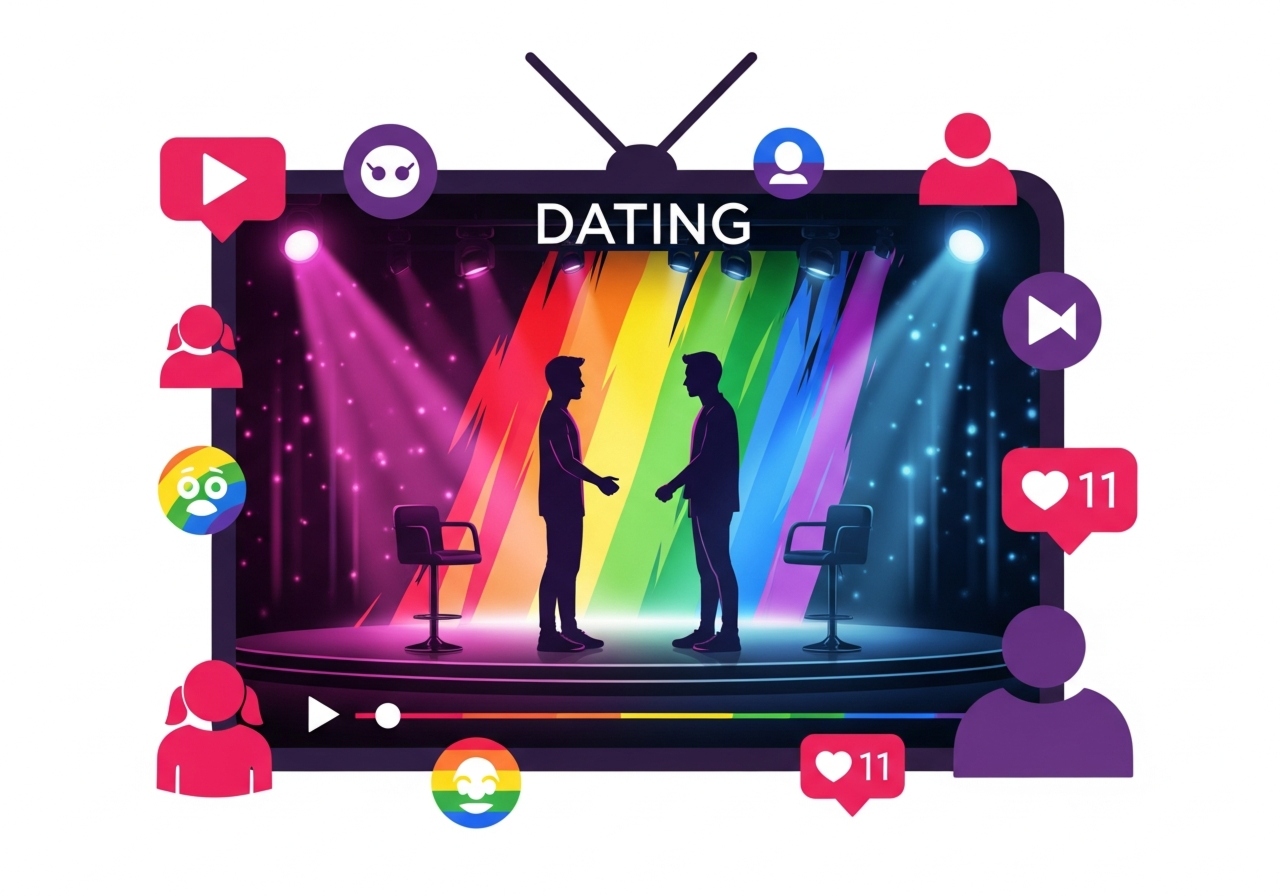
? Have you ever wondered how gay dating shows work and whether they’re catching on with audiences around the world?
Introduction
You’re probably curious about what makes gay dating shows distinct, how producers adapt popular dating formats to queer audiences, and whether these programs attract mainstream viewers. This article explains how gay dating shows are made, how they operate on screen, and how popular they are — covering formats, production, casting, representation, audience behavior, criticism, and future trends.
What is a gay dating show?
A gay dating show centers on romantic or sexual relationships between people who identify as gay, queer, or same-sex attracted. These shows can follow formats you already know — competition, elimination, blind dates, matchmaking, or documentary-style social experiments — but they’re designed to foreground same-sex attraction, queer communities, and the dynamics that come with them. You’ll see a range of tones, from lighthearted matchmaking to serious conversations about identity and community.
Why they matter
You should understand that gay dating shows do more than entertain: they can increase visibility, normalize queer relationships for broader audiences, and create spaces where LGBTQ+ people are seen as romantic leads rather than side characters. At the same time, they raise important questions about representation, authenticity, and the ethics of reality TV production.
How gay dating shows work — core elements
You’ll recognize many familiar reality-TV mechanics in gay dating shows, but producers tweak formats to respect queer realities and audience expectations. Below are the core elements that define how these shows operate.
Typical formats
Gay dating shows borrow from many dating formats. You’ll find versions of The Bachelor-style elimination shows, social experiment series where a group lives together, blind-date episodes, and matchmaking documentaries. Each format shapes the participant experience and the kinds of relationships that form on-screen.
- Competition/elimination: Contestants vie for one person’s affection, with eliminations across episodes.
- Social-house/ensemble: A group cohabitates (or gathers weekly) and relationships form organically.
- Blind-date anthology: Each episode features one person going on several dates to choose a match.
- Matchmaking/documentary: Professionals or real-world dating platforms are followed as they pair people up.
Casting and participant selection
You’ll notice that casting is one of the most important production steps. Casting directors look for personality, chemistry potential, representation across demographics within the queer community (race, body type, age, subcultures), and storylines that will keep viewers engaged. Many shows balance between “television-ready” personalities and authentic people who represent underrepresented parts of the community.
Casting stages include application, in-person or video interviews, medical and psychological checks, background checks, and sometimes camera tests. Producers also consider participant safety and whether people understand the implications of public exposure.
Pre-show preparation and contracts
You’ll typically sign waivers and binding contracts if you participate. Contracts cover confidentiality, non-disparagement clauses, rules of engagement, and how producers can edit your footage. You’ll often be briefed about ground rules, termination procedures, and what to expect during and after filming.
There are usually legal teams, production psychologists, and sometimes PR advisors involved before filming starts. These elements help producers manage risk and participants manage the emotional impact of being on camera.
Production design and location
Shows choose settings to match the tone: luxurious villas for glamorous dating competitions, cozy city apartments for documentary-style shows, or staged blind-date locations for anthology formats. You’ll also see production design shaping the narrative — lighting, music, and set layout encourage certain interactions and create moments suitable for confessionals.
Filming schedules are intensive. You’ll spend long days on set, sometimes isolated from the outside world to encourage interpersonal dynamics, and you’ll take part in engineered challenges or prompts meant to reveal relationship-building moments.
Editing and storytelling
When you watch a gay dating show, what you see is a story shaped by editors. You’ll notice that scenes are cut to create arcs — romance, tension, conflicts, reconciliations, and cliffhangers. Confessionals allow participants to address the camera and provide context; these are valuable for shaping public perception of characters and motives.
Be aware that truth and narrative are balanced; producers aim for compelling TV, so editing choices can amplify drama or soften moments to suit the show’s brand.
Safety, consent, and aftercare
Producers increasingly emphasize participant safety and aftercare. You’ll typically be offered psychological support before, during, and after filming. Shows now include processes to ensure consent is clear, especially around intimate scenes. Aftercare programs may provide therapy or counseling, and some productions offer media coaching to help you handle public reaction.
Post-show life and public exposure
Once a show airs, your life can change. You’ll encounter public attention, both positive and negative. Participants often gain followers on social media, receive influencer opportunities, or face intrusive scrutiny. Reputational management is now a central part of participating, so many shows provide media training to prepare you.
How gay dating formats differ from mainstream dating shows
You’ll spot specific differences aimed at centering queer experiences. These differences influence tone, casting, and storytelling.
Relationship dynamics and community context
Queer relationships often develop in contexts shaped by community spaces, history, and subcultural norms. Shows will sometimes reference gay dating apps, pride events, or community pressures, creating narratives grounded in real-life experiences rather than mere heteronormative transposition.
Sexuality, labels, and fluidity
Producers may encounter participants who identify across the sexual orientation spectrum — gay, bisexual, pansexual, queer. Shows that embrace these nuances can present richer narratives but also face challenges in marketing to audiences who expect simple categories.
Geography and meeting spaces
Many gay people meet differently than their straight counterparts, sometimes relying more heavily on apps or community venues rather than traditional social settings. Productions often incorporate these elements into the show: app-message reveals, dates at queer nightlife spots, or storylines about coming out and family acceptance.
Representation complexity
You’ll see a wider range of identity conversations: trans inclusion, non-binary participation, and intersectional representation regarding race, disability, and age. How a show handles these issues affects how well it resonates with queer audiences.
Table: Common dating show formats and how they adapt for gay casting
| Format | How it typically works | How producers adapt it for gay casting |
|---|---|---|
| Elimination competition | One lead chooses from multiple contestants; weekly eliminations | Ensure lead/contestants reflect community diversity; guard against tokenism; design dates addressing queer-specific topics |
| Ensemble house | A group lives together; relationships evolve naturally | Encourage events tied to queer culture; create safe spaces for candid identity conversations |
| Blind-date anthology | One protagonist goes on several dates per episode | Cast a range of queer types; include conversations about labels, coming out, and HIV/PrEP awareness |
| Matchmaking doc | Real matchmakers pair clients; more documentary style | Highlight community-specific matchmaking practices and incorporate expert perspectives from queer counselors |
| App/virtual dating | Contestants interact via app or video | Incorporate queer app cultures, representation of non-binary/trans experiences, and privacy considerations |
Are gay dating shows popular?
Short answer: yes, within specific niches and increasingly in the mainstream. How popular they are depends on region, platform, marketing, and how well the show resonates with both queer and ally audiences. Popularity is measurable in different ways: live viewership, streaming numbers, social media buzz, press coverage, and cultural impact.
Popularity among queer audiences
You’ll often find enthusiastic queer fandoms for shows that portray authentic relationships and diverse representation. When a show handles identity issues thoughtfully and casts a broad cross-section of the community, it can become a cultural touchstone and generate long-term engagement.
Mainstream appeal
Shows that strike a balance between authenticity and universal storytelling — good production values, compelling personalities, and emotional stakes — can attract mainstream audiences. Platforms that promote inclusion often gain positive press and benefit from expanded viewership.
Social media and viral moments
You’ll see many gay dating shows grow popularity through clips, memes, and engagement on platforms like TikTok, Twitter, and Instagram. Viral moments — a romantic confession, a dramatic elimination, or a witty confession — help shows find audiences beyond traditional networks.
Streaming platforms and niche networks
Streaming services and niche LGBTQ+ networks have been essential in expanding gay dating shows. You’ll find that streaming allows risk-taking with formats, diverse casting, and targeting global audiences, whereas niche networks deliver programming to dedicated viewers.
Table: Indicators of popularity and what they signify
| Indicator | What it shows about popularity |
|---|---|
| Viewership numbers | Direct audience size and advertiser value |
| Social media engagement | Cultural resonance and shareability |
| Press and reviews | Critical reception and broader conversation |
| International sales | Global interest and format adaptability |
| Fan activity (podcasts, forums) | Longevity and community investment |
Examples and case studies
You’ll find a variety of examples internationally, ranging from early experiments to modern streaming originals. Some shows introduced queer contestants into mainstream formats, while others were built specifically for queer audiences. These programs illustrate how formats evolve and respond to community feedback.
- Early experiment shows created proof-of-concept that dating formats could center same-sex attraction and still produce mainstream interest.
- Niche networks produced shows aimed directly at LGBTQ+ viewers, prioritizing cultural nuance and safety.
- Streaming platforms expanded the field by funding diverse, risky formats that traditional broadcasters might avoid.
(When you research specific shows, look for critical reviews and community reaction rather than relying only on promotional materials.)
Benefits of gay dating shows
You’ll notice several positive outcomes from thoughtful, well-produced shows.
Increased visibility and representation
Gay dating shows put queer relationships in the spotlight, challenging stereotypes and showing diverse forms of love.
Cultural conversation and education
You’ll encounter opportunities to learn about queer history, safe-sex practices, coming-out journeys, and community spaces.
New dating narratives
Shows expand the storytelling possibilities for queer lives, moving beyond trauma and into joy, humor, and complexity in relationships.
Economic opportunities
Participants often gain careers in media, influencer roles, and creative industries. Producers and platforms can also reach new subscribers and advertisers.
Criticisms and challenges
You’ll want to be aware of common critiques of gay dating shows so you can engage with them critically.
Tokenism and limited representation
Some shows include a token queer arc or single same-sex couple amid otherwise heteronormative programming. You’ll see this criticized for failing to represent the community’s breadth.
Fetishization and exploitation
Shows risk fetishizing queer identities for entertainment value. You’ll sometimes see editing choices that exoticize participants rather than treat them as full people.
Narrow beauty standards and homonormativity
You’ll notice a tendency to cast conventionally attractive contestants, which can reproduce narrow, mainstream-friendly ideals of queer desirability and marginalize diverse bodies and identities.
Trans and non-binary exclusion
Many dating shows historically excluded trans and non-binary people or failed to integrate them authentically. This is changing, but unevenly.
Editing and manufactured drama
You’ll see the same reality-TV issues apply: producers may manufacture conflict or manipulate timelines, which can misrepresent participants and harm their personal lives.
How producers and creators can do better
If you’re a creator or just interested in ethical production, there are practical steps that improve shows and reduce harm.
Prioritize inclusive casting
You’ll recruit across race, body types, ages, gender identities, and socioeconomic backgrounds. This produces richer stories and broader audience identification.
Invest in safety and aftercare
Producers should provide mental-health support, media training, and robust consent processes. You’ll see better outcomes when participants are treated ethically.
Consult community experts
You’ll benefit from working with LGBTQ+ consultants, cultural advisors, and organizations that can guide sensitive moments and avoid harmful tropes.
Be transparent about editing and narrative shaping
You’ll communicate limits around what footage might be used and how participants’ storylines can be constructed, helping manage expectations.
Avoid token angles and fetishistic framing
You’ll focus on participant humanity rather than sensationalizing identity for clicks.
Table: Ethical production checklist for gay dating shows
| Area | Best practices |
|---|---|
| Casting | Reflect community diversity; avoid stereotypes |
| Consent | Clear informed consent; document scope of filming |
| Mental health | Pre/post production counseling; on-set support |
| Editing | Transparent policies; minimize manipulative shaping |
| Representation | Use consultants; include trans/non-binary voices |
| Aftercare | Media training; crisis support; career guidance |
How audiences react and why it matters
You’ll see audiences respond across a spectrum: enthusiastic fandoms, critical think pieces, and social-media debates. Popularity isn’t just about numbers; it’s about resonance. When a show reflects real queer experiences, it fosters empathetic responses and community conversation. Conversely, when it misrepresents or exploits participants, backlash can be intense and long-lasting.
Fan communities and queer viewership
Fans often form communities around these shows, producing reaction videos, podcasts, fan fiction, and commentary that keep the conversation alive. You’ll sometimes see fans pushing producers for more inclusive seasons or creating their own spin-off content.
Ally engagement
Shows that balance authenticity and accessible storytelling often attract allies, which helps normalize queer relationships in broader culture.
How to watch gay dating shows critically
If you’re going to watch, it helps to be an informed viewer.
- Notice editing techniques and how confessionals shape character arcs.
- Consider what’s left out: family context, long-term follow-up, offline lives.
- Pay attention to how the show treats consent, health, and safety.
- Support programs that demonstrate ethical production values and meaningful representation.
For participants: what to expect and tips
If you want to appear on a gay dating show, you should know what to expect and prepare accordingly.
- Understand the contract and your rights regarding footage, distribution, and image.
- Get mental-health support during and after filming.
- Be clear about boundaries, and communicate consent explicitly.
- Do media training before episodes air so you can manage interviews and social media.
- Think about your long-term goals — exposure can help or complicate your career path.
International and cultural differences
You’ll find that gay dating shows vary by country based on cultural attitudes toward LGBTQ+ people, broadcasting regulations, and market demand. In places with strong legal protections, you’ll see more mainstream support and experimentation. In countries where queer rights are contested, shows may be more cautious, coded, or produced for niche streaming platforms to minimize risk.
Future trends and directions
You’ll likely see several trends shaping the next generation of gay dating shows.
More intersectionality
Expect shows to explicitly center race, disability, immigration status, and age as part of romantic storytelling.
Trans and non-binary-led formats
You’ll see more shows created by and for trans and non-binary people, offering authentic perspectives on love and dating.
Hybrid formats
Shows will blend formats — reality dating with documentary follow-up, or gamified virtual-dating competitions — to keep content fresh and shareable.
Global formats and local adaptations
Successful formats from one country can be adapted for local queer cultures, producing regionally resonant versions rather than one-size-fits-all exports.
Responsible monetization
You’ll notice partnerships with health organizations, dating apps, and advocacy groups that provide both funding and credibility while promoting safe, informed dating practices.
Table: Future trends summary
| Trend | What it means for viewers |
|---|---|
| Intersectional casting | More diverse stories and identification points |
| Trans/non-binary formats | Authentic representation and new narratives |
| Hybrid formats | Fresh storytelling that fits short-form attention spans |
| Local adaptations | Shows that reflect local queer cultures and norms |
| Responsible partnerships | Health-forward messaging and safer dating practices |
Practical implications for the queer community
You’ll care about these shows because they influence public perception and community self-image. Thoughtful shows can improve visibility, advance conversations about consent, sexual health, and relationship norms, and create safe spaces for queer storytelling. Poorly handled shows can misrepresent communities, fuel stereotypes, or exploit participants.
Final thoughts
Gay dating shows work by combining familiar reality-TV mechanics with adjustments that reflect queer lives: inclusive casting, community context, attention to consent, and editorial sensitivity. Their popularity is growing — driven by streaming platforms, active fanbases, and a cultural appetite for diverse romantic stories — but success depends on authenticity, ethical production practices, and meaningful representation. You’ll find that when shows respect participants and the communities they represent, they’re more likely to be both popular and positively impactful.
If you want recommendations on specific shows to watch based on format or region, or if you’re considering applying to a show and want help preparing, tell me what you’re looking for and I’ll tailor suggestions to your preferences.